
 By admin
The dinosaur also 500 teeth is called Nigersaurus, one of the unique sauropods on Earth 110 million years ago. As much as this species has really caught the attention of paleontologists and dinosaur fanatics since its discovery, they are always fascinated about its unusual dental structure and feeding habit. This is a detailed story about Nigersaurus, its body, habitat, and why it’s such an important discovery.
About Nigersaurus
Scientific Classification
Name : Nigersaurus taqueti
Species : Sauropod Dinosaur
Time : Middle Cretaceous roughly 115 to 105 million years ago
Place : Fossils primarily found in what is now the Sahara Desert of Niger
Physical Characteristics
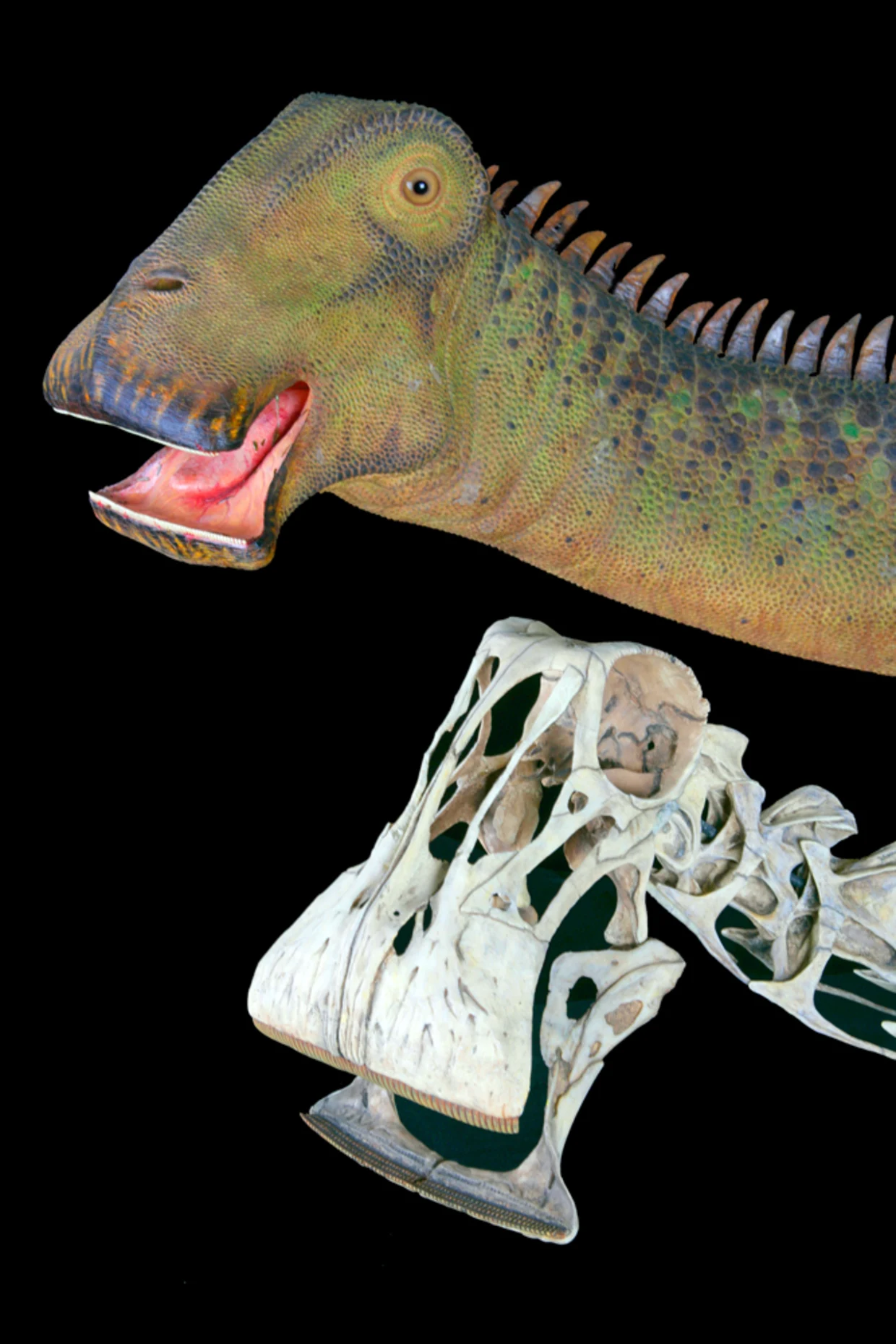
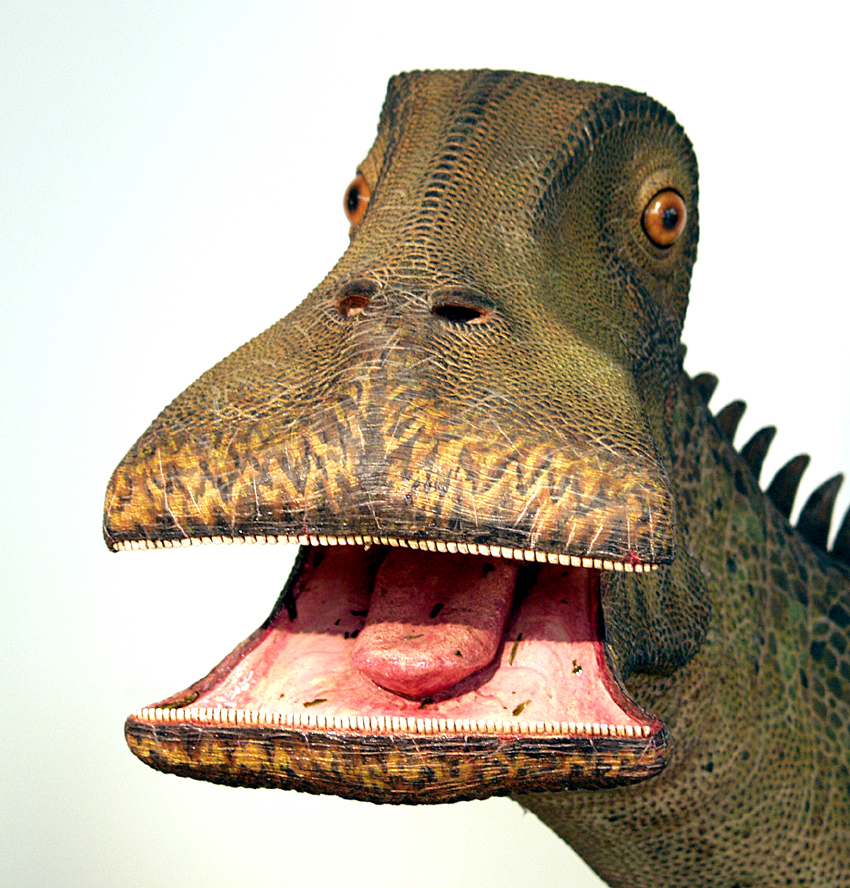
Nigersaurus was not large for a sauropod, measuring about 30 feet (9 meters) in length and weighed between 2 to 4 tons, comparable with a modern Asian elephant. The most distinctive feature of Nigersaurus was its wide, flat skull and a jaw filled with more than 500 slender teeth arranged in rows, which were constantly replaced at a rate of about every 14 days.
The Incredible Dental Battery of Nigersaurus
Teeth Form and Function
Nigersaurus possessed a particularly special dental arrangement, called a dental battery, comprising several columns of teeth. In each column, some new replacement teeth were prepared to replace old, worn-out ones. Specifically, Nigersaurus boasted:
68 columns of teeth in the upper jaw
60 columns in the lower jaw
This configuration allowed it to shave effectively low-growing grass and other such vegetation, much like the current lawnmower works. The teeth were small, homogeneous in size and perfectly matched for grazing onto soft-plants, such as ferns.
Feeding Mechanism
A wide, suction-type mouth helped the dinosaur feed effectively at low-growing plant levels. Slicing a swath at ground level through vegetation would have been an effective feeding strategy, just like that used in cows today. Paleontologist Paul Sereno gave it a well-deserved nickname-the “Mesozoic Cow-because it was herbivorous with a corresponding grazing-style diet .
Habitat and Environment
Living Conditions
At that time, during the existence of Nigersaurus, what we now call the Sahara Desert was a warm, wet rain forest with rivers and plant life. This environment enabled the herbivorous dinosaur of its time, Nigersaurus, to have significant provisions for its diet. Warm and damp, it supported a variety of flora living alongside these prehistoric beings.
Predators and Survival
Despite its specializations, Nigersaurus had to put up with several predators in its ecosystem, among which large carnivorous dinosaurs like Carcharodontosaurus. Probably, its fast replacement of teeth helped it in the survival strategy, whereby it could feed efficiently despite the wear caused by constant grazing .
History and Study
Historical Background
The remains of Nigersaurus were first unearthed by the French paleontologists in the late 1950s. However, with Paul Sereno’s team, major fossils were unearthed only in the 1990s. In 1997, they unearthed skull fragments responsible for the identification of this miraculous dinosaur [3][4]. The formal description of Nigersaurus was published in 1999, sparking interest among various scientific communities as well as the general public.
Paleontological Importance
Nigersaurus has made an immense contribution in learning about the diversity and evolution of sauropods. Its unusual dental system cannot help but dispute the postulates about how the sauropods fed and interacted with their surroundings. The scientists have used advanced imaging techniques, like CT scans, to study the hollow nature of its skull in detail in order to explain how it survived as a niche herbivore .
Conclusion: The Legacy of Nigersaurus
Nigersaurus is perhaps the most fascinating dinosaur that comes to mind. Not only is it full of interesting features, but it fills in a niche that is crucial in the Cretaceous period. At present, there are over What Dinosaur Has 500 teeth that have been offered as adaptations for grazing. Indeed, this was one great example of the incredible diversity of life that millions of years ago existed. His discovery continues to inspire research and curiosity about ancient ecosystems and the evolutionary pathways that shaped them.
Recent years have seen Nigersaurus trending in social media as people see memes and talks about “the dinosaur with 500 teeth.” This again sheds light on how paleontology can relate to everyday life while enlightening the world regarding the past of the planet .