
 By admin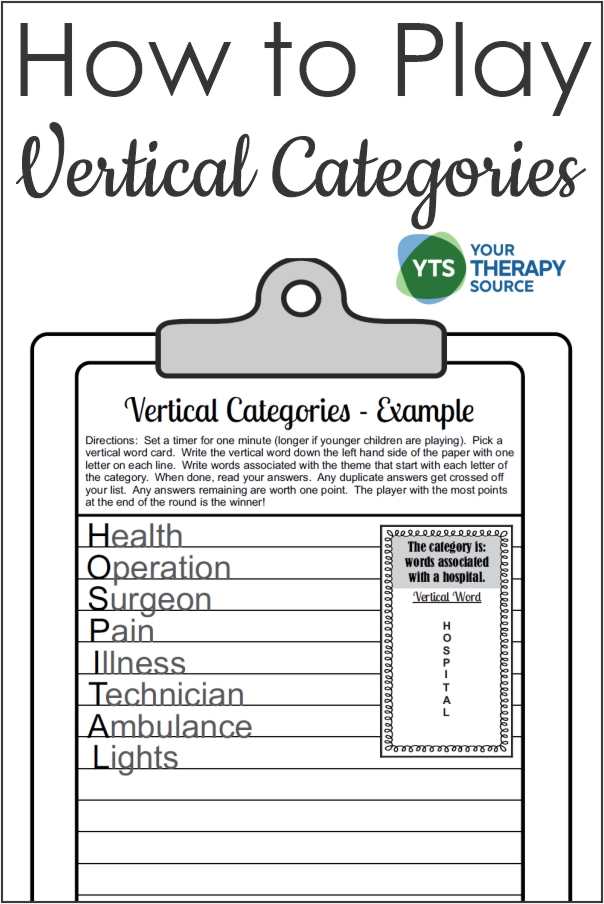
The Categories game is a great word game that combines creativity, fast thinking, and a bit of competitive spirit. Played in many different settings-from classrooms to family gatherings-it encourages players to think on their feet as they stretch their vocabulary. This article explores the game’s mechanics, its educational benefits, and tips on how to enhance gameplay.
Exploring the Categories Game: A Fun and Engaging Word Challenge
What is the Categories Game?
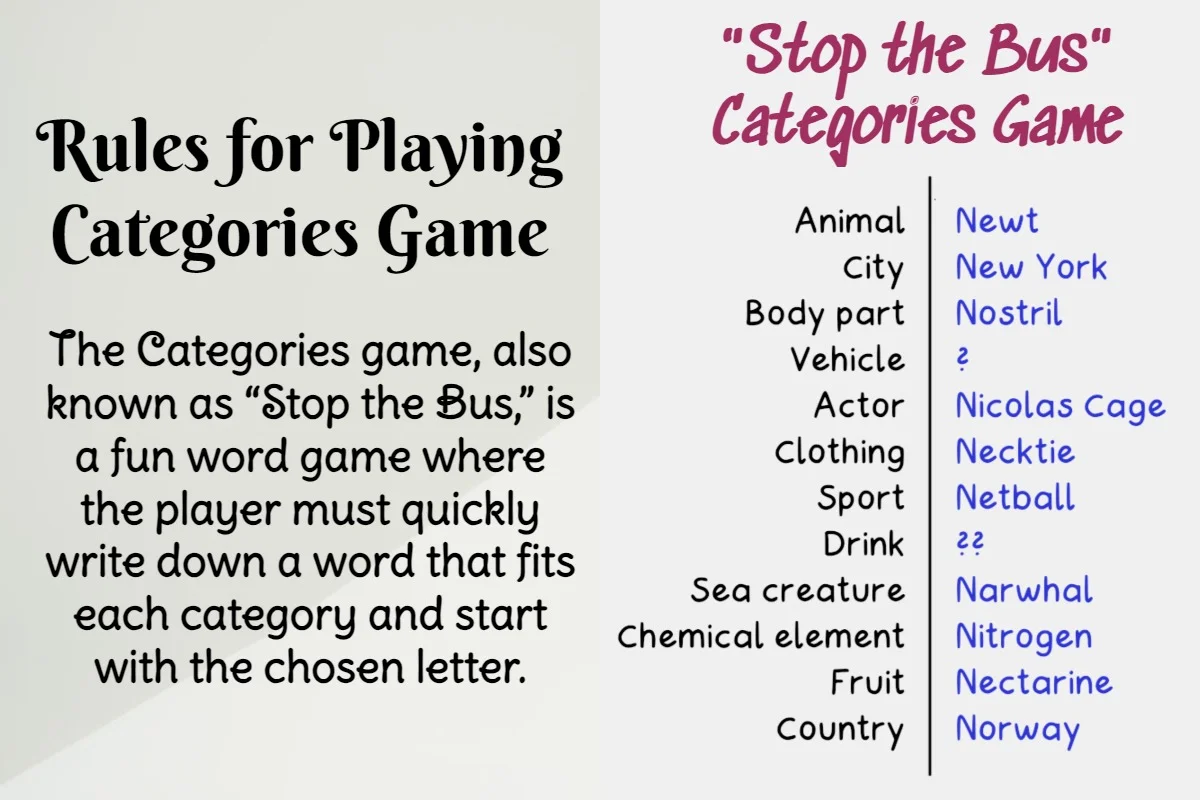
The Categories game is a word-based activity where participants are required to list words that fit predefined categories, and they should all start with the same letter. The purpose of the game is to produce different answers that score points for uniqueness. This is one game that can be played between friends or in educational institutions as a more formal game.
Also read : Fashion Nova Men
Basic Rules of the Game
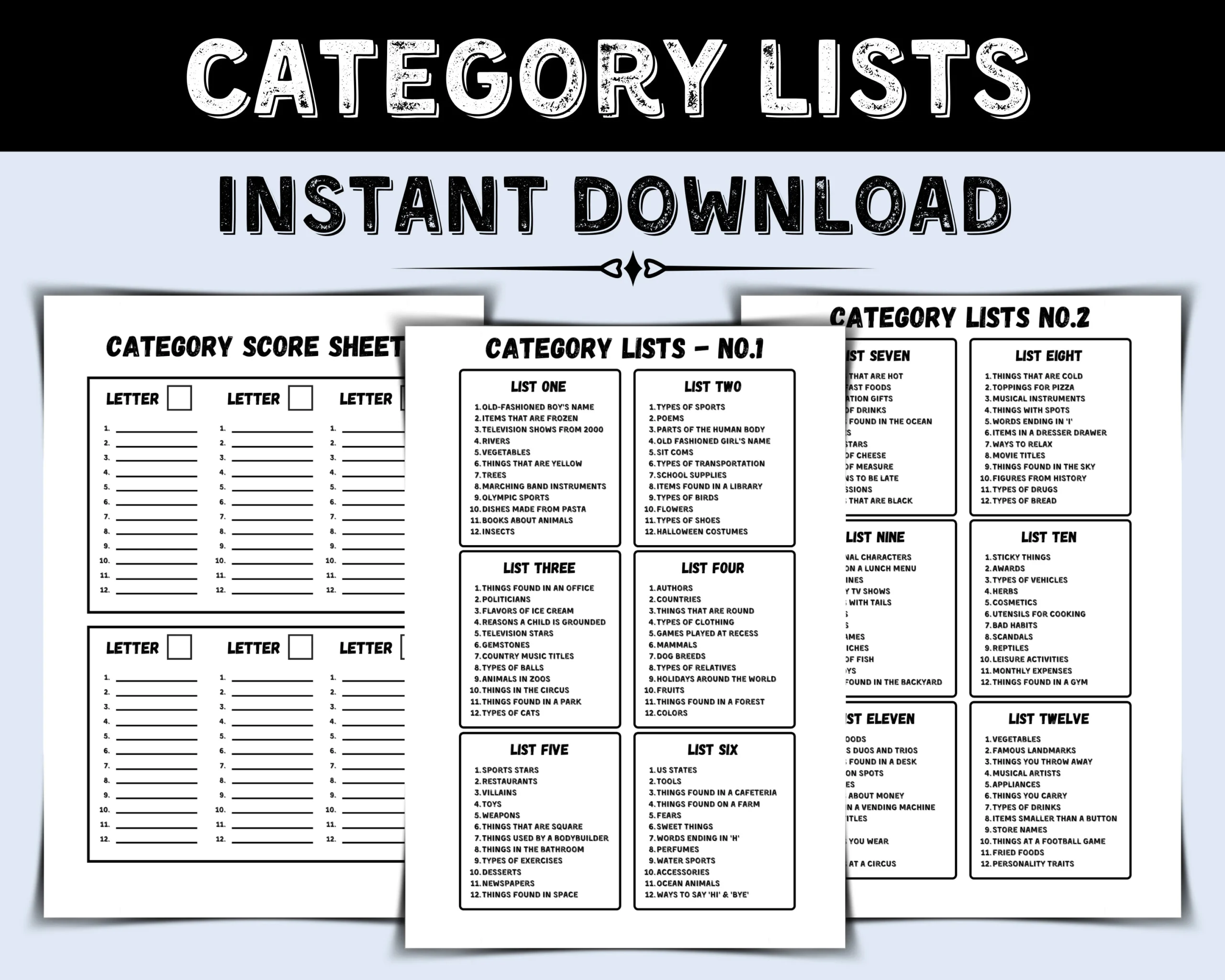
1. Setup: Players agree on lists of categories (animals, countries, movies, for example) and select a letter of the alphabet.
2. Timed Play: Each player has some length of time, often between 1 and 3 minutes, in which to write down as many words as possible which fit into each category and have that letter as its beginning.
3. Scoring: When time has been up, players show the other players their work; any unique entries count towards 2 points and each entry shared counts toward only 1 point.
4. Winning: Whosoever wins several rounds with the maximum score at the end wins.
Variations of the Categories Game
Though the basic format is the same, there are a few variations to make the game more exciting:
Guggenheim Variant
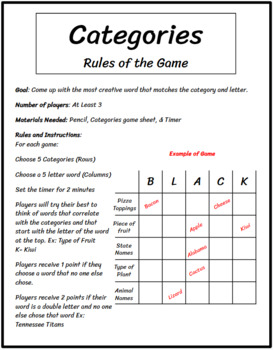
In this version, players write categories along one edge of the paper and five columns across it, each representing a different letter to spell a five-letter word. This brings an extra level of difficulty because the players have to strategize their answers.
Scattergories
A commercial version of the game, Scattergories, uses a 20-sided die to create random letters and contains specific categories that players fill out. In this version, there are often extra rules and ways of scoring that make the game more exciting.
Educational Value
The Categories game provides many educational benefits, especially in language learning environments:
Vocabulary Enrichment
This game allows for the expansion of vocabulary and language skills by asking players to think of words that fit certain categories. It forces players to recall words that they might not often use.
Development of Cognitive Skills
This game is played so fast that a player becomes cognitively agile because one needs to think fast when there is time pressure. It may, therefore, help improve memory recall and critical thinking skills.
Social Interaction
Categories games are that bring about communication and teamwork when a player plays with a number of people. It teaches talking and collaboration as players have a discussion on categories or responses.
How to Play
To enjoy your playing time in the game of Categories, here’s a few tips:
Select Varied Categories
Varied categories can always refresh the game. Therefore, you can use anything to challenge your knowledge-ideas like “types of music,” “famous landmarks,” or “articles found in a kitchen.”
Adjust Difficulty Levels
For the younger players or beginners, simplify categories or allow broader definitions (e.g. “fruits” may include “fruit-flavored snacks”). For advanced players, use obscure categories or less common letters.
Team Play
Divide players into teams to encourage teamwork. Teams can brainstorm together before writing down answers which can lead to more diversified responses and camaraderie.
This is not only a fun activity but also a way to enhance vocabulary and cognitive skills. It is flexible, so one can use it in classes or parties and play it during family reunions. No matter how one plays the game, whether casually or competitively, this word game is that entertainment and education.