
 By admin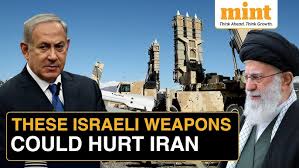
Israel iran nuclear The nuclear issue between Israel and Iran remains a critical topic in global politics, with far-reaching implications for regional stability and international security. This article explores the historical roots, key players, and potential consequences of this escalating conflict.
1. The Roots of the Israel-Iran Rivalry
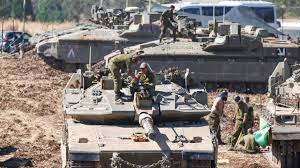
The tensions between Israel and Iran are deeply rooted in ideological, political, and strategic differences.
- Iran’s Position: Since the Islamic Revolution of 1979, Iran’s leadership has viewed Israel as a regional adversary, often condemning its policies and questioning its legitimacy.
- Israel’s Perspective: Israel perceives Iran as a major threat due to its support for anti-Israel groups like Hezbollah and its controversial nuclear ambitions.
These ideological divides have been further exacerbated by shifting alliances in the Middle East.
2. Iran’s Nuclear Ambitions
Iran insists its nuclear program is for peaceful purposes, such as energy production and medical research. However, many nations, including Israel, suspect that Iran is covertly pursuing the ability to produce nuclear weapons.
Key Developments:
- Nuclear Deal (JCPOA): The 2015 Joint Comprehensive Plan of Action was designed to curb Iran’s nuclear capabilities in exchange for sanctions relief. However, the U.S. withdrawal in 2018 reignited tensions.
- Uranium Enrichment: Iran has since resumed higher levels of uranium enrichment, bringing it closer to weapon-grade material.
3. Israel’s Stance and Actions
Israel has consistently expressed its determination to prevent Iran from acquiring nuclear weapons.
- Military Preparations: Israel has reportedly carried out covert operations, including cyberattacks (e.g., Stuxnet) and assassinations of Iranian nuclear scientists.
- Diplomatic Efforts: Israel lobbies extensively to rally international opposition to Iran’s nuclear program, advocating for tougher sanctions and oversight.
4. Geopolitical Implications
The Israel-Iran nuclear standoff has broader regional and global consequences.
Middle East Stability:
- An Iranian nuclear weapon could trigger a regional arms race, with countries like Saudi Arabia seeking similar capabilities.
- Proxy conflicts between Iran-backed militias and Israel may escalate, increasing violence in Lebanon, Syria, and Gaza.
Global Security:
- The U.S. and other world powers are deeply involved, attempting to balance containment strategies with diplomatic negotiations.
- Any military confrontation could disrupt global oil markets, given the region’s strategic importance.
5. Pathways to De-escalation
Despite the tension, there are potential avenues for resolving the nuclear dispute:
- Renewing Diplomacy: Reviving the JCPOA or negotiating a new agreement could offer a framework for reducing tensions.
- Regional Dialogue: Encouraging direct communication between Israel and Iran, though challenging, might pave the way for mutual understanding.
- International Mediation: Global powers and institutions like the United Nations could play a more active role in fostering dialogue.
6. Conclusion: Navigating a Volatile Future
The Israel-Iran nuclear issue is one of the most pressing challenges in international relations. As both sides remain steadfast in their positions, the potential for miscalculation looms large. Only sustained international engagement and a commitment to peaceful solutions can prevent the situation from spiraling into open conflict.
The world watches closely, hoping for a resolution that ensures stability in a region long marked by turmoil.