
 By admin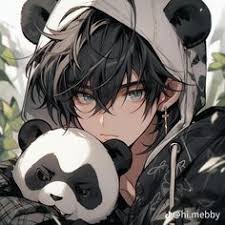
Table of Contents
Toggle1. The Evolution of Anime Boys in History
Anime boys have come a long way since the early days of Japanese animation. Early works, such as Astro Boy in the 1960s, featured male characters that were simple, heroic, and idealistic. Over time, as storytelling evolved, anime boys grew more nuanced, portraying complex emotions and grappling with relatable struggles. Today, they can embody anything from stoic warriors to mischievous schoolboys, reflecting the diverse narratives within anime.
2. The Art of Designing Anime Boys
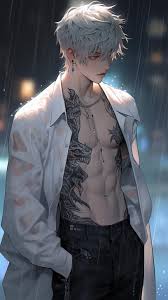
One of the defining traits of anime boys is their distinctive and visually striking designs.
a. Hairstyles and Colors
Their hair often defies gravity and logic—spiky, multicolored, or elegantly simple—making them instantly recognizable. For instance, Naruto Uzumaki’s bright orange hair symbolizes his fiery personality, while Sasuke Uchiha’s dark, sleek hairstyle reflects his brooding nature.
b. Expressive Eyes
Anime boys’ eyes are a key feature, designed to convey their emotions. Large, glittering eyes can depict innocence or passion, while narrowed or shadowed eyes add depth to their character.
3. Personality Archetypes in Anime Boys
Anime excels in presenting a wide range of personalities. Here are a few common archetypes:
a. The Heroic Protagonist
Characters like Goku (Dragon Ball) or Eren Yeager (Attack on Titan) represent bravery and determination, often overcoming immense odds.
b. The Mysterious Loner
Boys like Levi Ackerman (Attack on Titan) or Sasuke (Naruto) exude an enigmatic aura that fans find irresistible.
c. The Playful Trickster
Lighthearted and mischievous boys like Tamaki Suoh (Ouran High School Host Club) bring humor and charm to their stories.
d. The Intelligent Strategist
Characters such as Light Yagami (Death Note) or Shikamaru Nara (Naruto) captivate viewers with their sharp minds and calculated decisions.
4. Why Fans Love Anime Boys
Anime boys resonate with fans because they offer more than just good looks.
- Relatable Stories: They often navigate relatable challenges, such as self-discovery, friendship, or love.
- Emotional Depth: These characters display a range of emotions, from joy to sorrow, creating connections with the audience.
- Aspirational Traits: Their courage, loyalty, or determination inspire viewers, making them role models in many ways.
5. Popular Anime Boys Across Generations
- Classic Icons: Characters like Ash Ketchum (Pokémon) and Kenshin Himura (Rurouni Kenshin) remain timeless.
- Modern Favorites: Boys like Tanjiro Kamado (Demon Slayer) and Gojo Satoru (Jujutsu Kaisen) dominate the anime scene today.
6. The Influence of Anime Boys on Pop Culture
Anime boys have transcended the screen to inspire merchandise, fan art, and even fashion. Their impact on global pop culture is immense, with conventions, cosplay events, and online communities celebrating their popularity.
Conclusion
Anime boys are more than just characters—they are a reflection of the diverse and imaginative world of anime. Their evolving designs, personalities, and stories continue to captivate audiences, ensuring their place in the hearts of fans for generations to come. Whether they are stoic warriors, cunning strategists, or endearing jokesters, anime boys remain an enduring symbol of the genre’s creativity and emotional depth.