
 By admin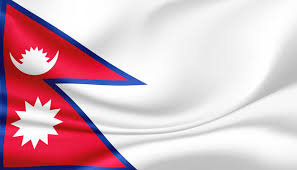
Nepal Flag a land of breathtaking landscapes and rich culture, stands out not only for its geography but also for its national flag. Unlike the rectangular flags of all other countries, Nepal’s flag is a unique combination of two stacked triangles. Let’s delve into the significance, design, and meaning behind this exceptional symbol of Nepalese identity.
Table of Contents
Toggle1. A One-of-a-Kind Design
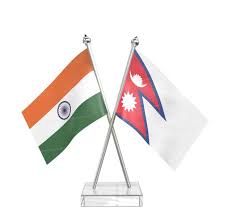
Nepal’s flag is the only national flag in the world that is non-rectangular in shape. Its distinct design consists of two overlapping triangles. This unconventional shape sets Nepal apart on the global stage, symbolizing its individuality and pride.
- Shape and Geometry: The flag is composed of two right-angled triangles, representing Nepal’s unique position as the only nation to retain this historical design in its modern form.
- Symbolism of the Triangles: The two triangles represent the Himalayas, the crown jewel of Nepal, and the two major religions of the country—Hinduism and Buddhism.
2. The Colors of Nepal’s Flag
The flag’s vibrant colors carry deep cultural and historical significance:
- Crimson Red: The dominant color of the flag symbolizes the bravery of the Nepalese people and is also the national color of Nepal.
- Blue Border: The flag is bordered with a deep blue color, which signifies peace and harmony—a reflection of Nepal’s aspirations as a nation.
3. Emblems within the Flag
The flag features two distinct emblems on the upper and lower triangles:
- The Sun and Moon: The crescent moon at the top and the sun at the bottom symbolize permanence and hope. They reflect Nepal’s enduring spirit and its people’s resilience despite challenges.
- Cultural Heritage: These celestial bodies also have roots in Nepalese astrology and mythology, tying the flag to the country’s spiritual and cultural history.
4. Historical Origins
Nepal’s flag design dates back to ancient times. It is believed to have evolved from pennons used by the royal family and military in the 18th century. Its adoption in its current form came with the modernization of Nepal in 1962 when the flag was codified into the country’s constitution.
5. Mathematical Precision in Design
The proportions and angles of the Nepalese flag are meticulously defined, making it mathematically intricate. Detailed instructions for its construction are outlined in Nepal’s Constitution, emphasizing the flag’s importance as a symbol of national identity.
6. What Nepal’s Flag Represents to the World
Nepal’s flag serves as a testament to its distinctiveness and cultural depth. It reflects:
- The country’s independence and sovereignty.
- The harmonious coexistence of diverse traditions.
- A connection to natural and spiritual elements, particularly the Himalayas.
Conclusion
The flag of Nepal is more than a piece of fabric—it is a reflection of the nation’s rich heritage, unity, and resilience. Its design stands as a reminder of Nepal’s unique place in the world, just as its mountains stand tall among the clouds. Whether waving in the wind or displayed on global platforms, Nepal’s flag remains a source of immense pride for its people.