
 By admin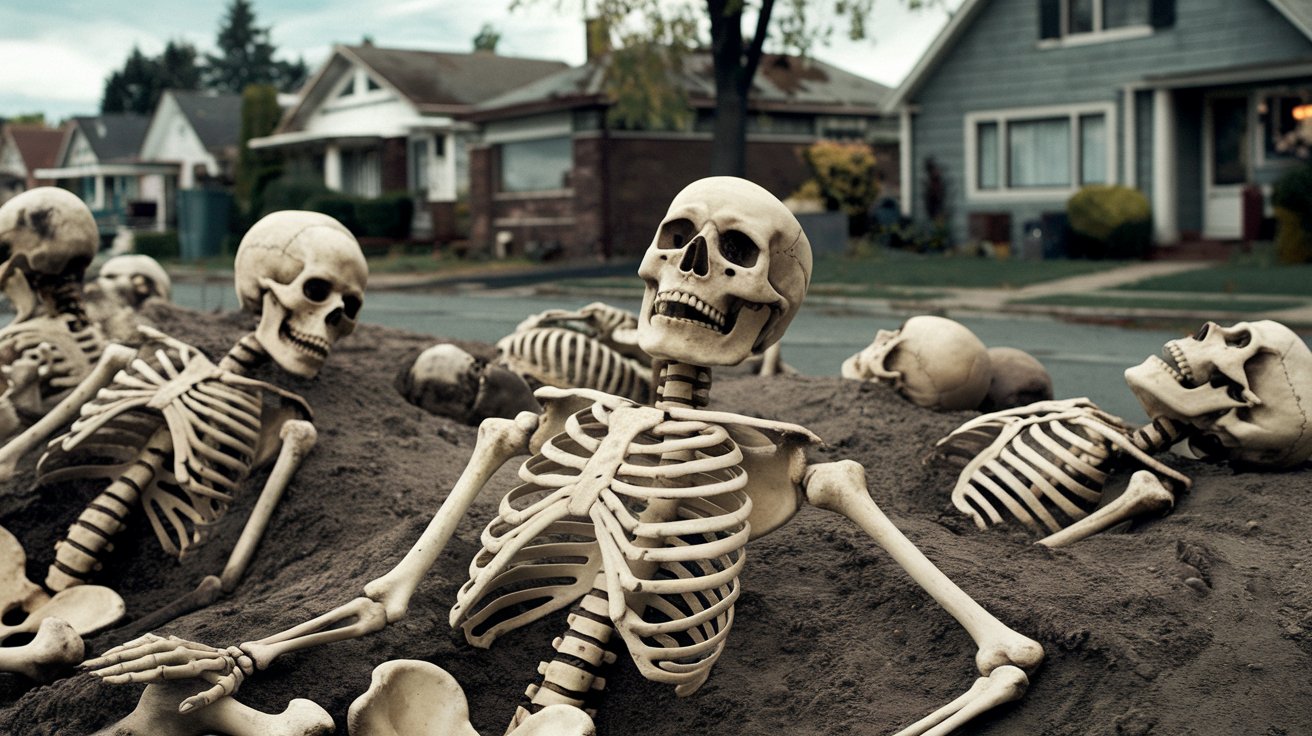
Synopsis of Poltergeist
Poltergeist is an American Horror movie Released, presented a scary story of a family, Freeling, who trapped in the center of a conflict of supernatural power after their house was overtook by malevolent ghosts. Patternally, this movie became famous for its adventurous sequences and special effects first made in the genre of horror movies. Thoughthe evergreen cradle of the movie is tainted with the fact that real huma — t fliritimyeit 1982 movie Poltergeist used the real Human Skeletons are considered the most haunted horror movie of all time, astounding everyone from critics to cinema-goers.
The Controversy Surrounding Real Skeletons
Origins of the Controversy
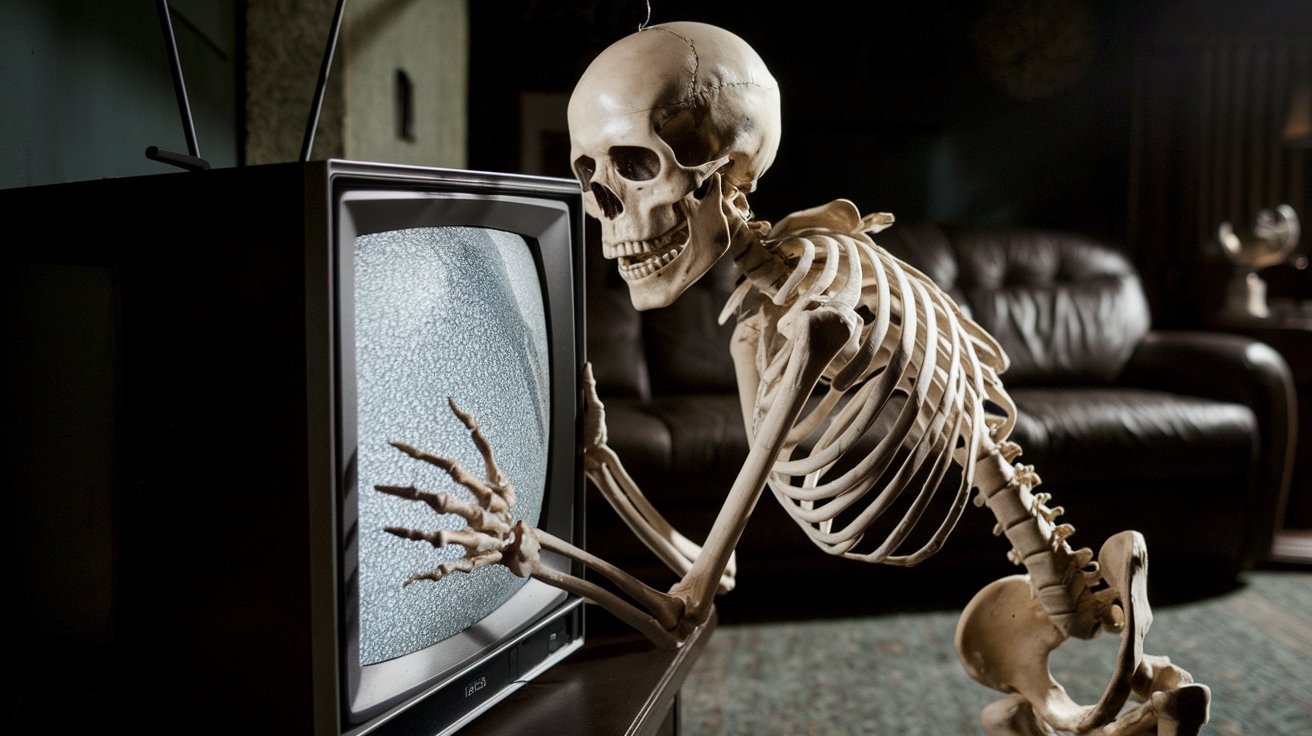
It sparked the controversy when the news broke that real human bodies were used in the climax swimming pool scene. Then, the special effects artist Craig Reardon later confirmed that actually poltergeist used real skeletons of the 1982 movie as- tymoff. He says that these real skeletons were much cheaper and easier to get than getting the high-quality plastic imitations so his production used. It was like a shocking surprise for the audience, and this very fact led to debate for its morality of usage of human bodies.
Public Reaction
When it was finally revealed that indeed the 1982 film Poltergeist used real skeletons as part of the prop, the public did not take it lightly—the news ignited much negative criticism. To most individuals, it was a disrespectful and macabre practice. The stunt raised many ethical questions as to how far producers would go treating human remains for the sake of entertainment. The decision made out of production conveniences highly stigmatized the film even to this very day.
Why Use Real Skeletons?
Practical Effects in the 1980s
Practical effects were really crucial to be as realistic as possible during the horror movies of the 1980s. This was for reasons of authenticity, so they opted for using real skeletons. In the opinion of Reardon, the use of actual skeletons gave a realism that plastic models could not. This was not very new in the film industry at the time as films were reaching further and further in what they could include.
Cost Considerations
Believe it or not, real skeletons were actually less costly than creating plastic models of high quality. At that time, skeletons were readily available from medical supply houses. The fact that real skeletons were implemented in Poltergeist was primarily for cost purposes. The producers were able to create the desired image while staying within the financial constraints of the film.
Ethical Implications
In the case of Poltergeist, the use of real skeletons poses some major ethical issues. It is a quintessential question of respect toward the dead and their families. Critics argue that using human remains for the purpose of entertainment is exploitative and shows disrespect. Film companies, after the controversy with the 1982 movie Poltergeist that used real skeletons as – tymoff, have put stricter regulations and ethic guidelines on the use of human remains for filming.
Behind the Scenes
Cast and Crew Reactions
The cast and crew from Poltergeist had mixed reactions to the presence of real skeletons. JoBeth Williams, the actress who portrayed Diane Freeling, didn’t learn about the skeletons until after filming was completed. When asked in interviews soon after the fact, she said, “I believe that we are all fooled. I am sure of it.” Though the sentiment of this problem is still immortalized, the false information hoped to ease the unease. She continued, “I thought they were plastic.” The disturbing set of the movie became another element when this discovery was revealed.
Director and Producer Insights
While director Tobe Hooper and producer Steven Spielberg have been relatively quiet on the matter, it can be assumed that the industry, then, was one in which realism and cost trumps all else. Its decision to include actual human remains has also become part of that film’s legend .
Cultural Impact
Horror Community
It is quite notorious within the horror community that the 1982 film Poltergeist and used actual skeletons – tymoff in the movie. Adds a grim sense of authenticity and has led to many discussions on just what it takes to make something “Real”. Such an aspect of the film has made it a classic within the horror genre.
Media Coverage
The skeleton controversy went on to become possibly the most widely written-about post-release subject regarding the film. Numerous details of the macabre saga behind Poltergeist have been brought to light through the years via documentaries, articles and interviews. Even now, the very mention that the 1982 movie Poltergeist used real skeletons is enough to elicit a reaction from genre fans.
The Myth vs. Reality
Confirmations and Denials
While some of those who worked on the film have actually confirmed the use of real skeletons, some have denied or downplayed the extent of use. This combination of confirmations and denials fans the flames of the mystery and speculation attached to the film. Whether the 1982 movie Poltergeist actually used real skeletons as – tymoff is continually engaged in a debate.
Evidence Presented
This is the evidence that has been used to back the claims that the skeletons were indeed real. The controversy has been so decisive that photographic evidence and testimonies from special effects artists have helped ensure that it was a documentary essential controversy. This-type-of controversy has ensured that the topic of the real skeletons from the movie Poltergeist always arises in case of any discussion among film enthusiasts.
Conclusion

The revelation that – The 1982 Movie Poltergeist Used Real Skeletons As – Tymoff. This made Poltergeist a subject of very serious ethical debates and awakened in the cinema industry an interest in treated human remains in the entertainment business. As we reflect on the consequences of Poltergeist, we are reminded of the complexities of film production, when said film is created by a fervent desire to address these ethical concerns in order to continue the legacy of this great horror film. The tale of Poltergeist is a reminder to filmmakers that while one needs to push the boundaries of cinematic storytelling, the respect should take all precedence and dignity on its subject