
 By admin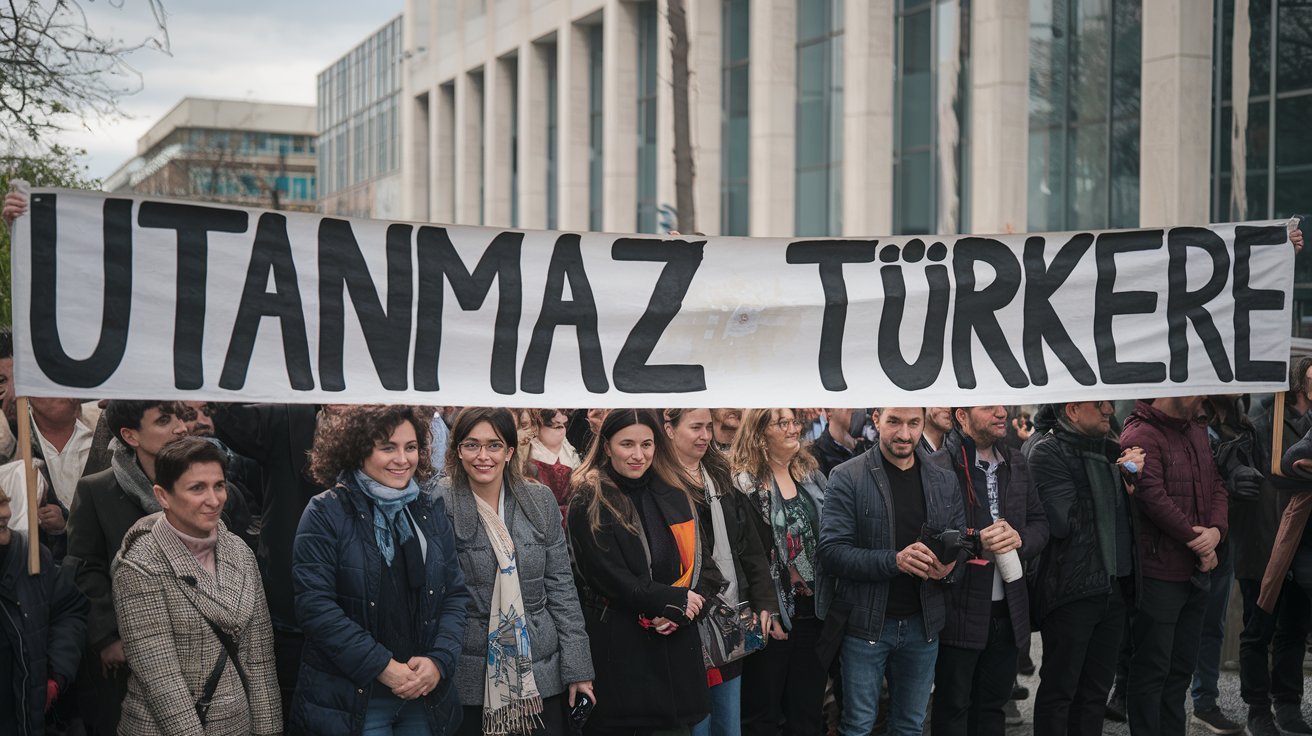
Hence, the word “utanmaz türklere,” shameless Turks, has become such a hot topic in chats. about Turkish culture and society. The piece digs deep on what it really is, where from, and what all that really means for today’s culture, especially in Turkey. This way, through depth, one gets an understanding of the broader identity of being Turkish and discusses the discourses prevalent in changing societal values today.
Definition and Meaning
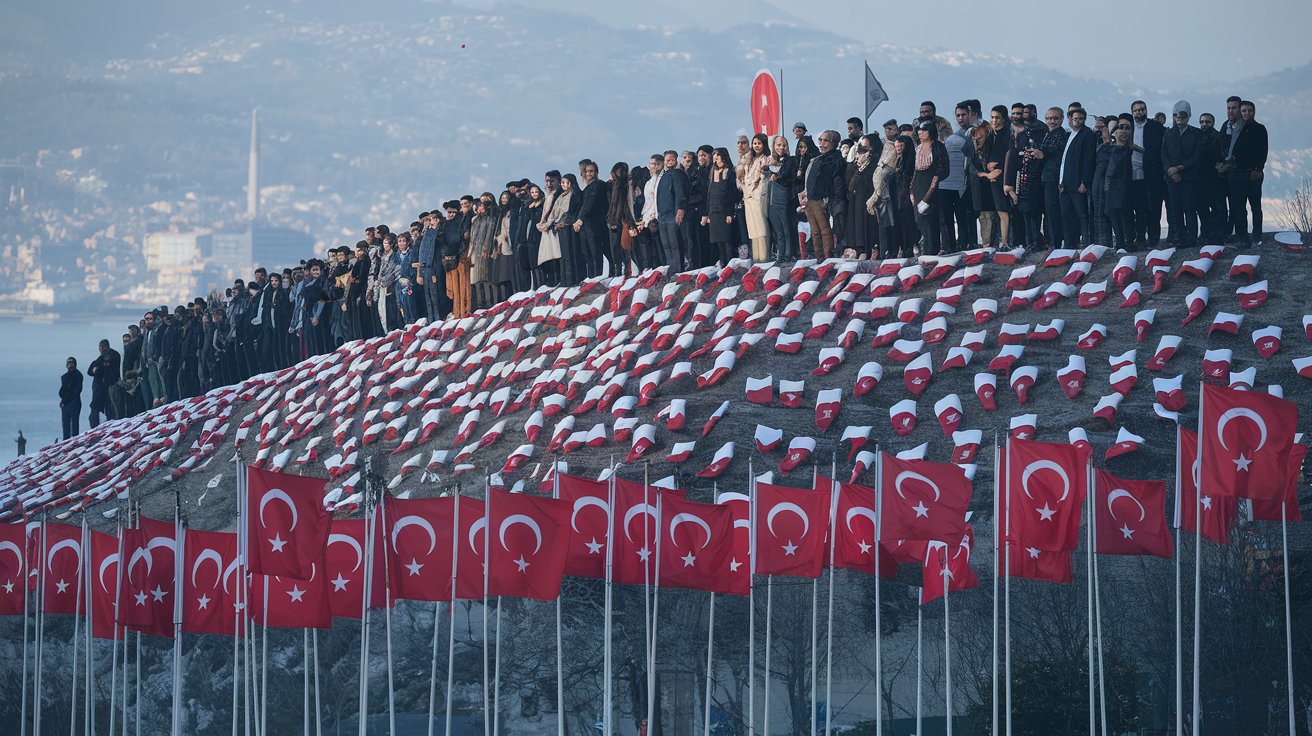
That, in a nutshell, was about these prevalent “utanmaz türklere” people in Turkey who go against the norms or some kind of values. It’s quite a negative term thrown about toward people’s behaviors that a viewer thinks present some disrespect or aren’t how it’s supposed to be according to the culture. Everything goes as far as rolling into the attitudes ranging from rejection of social dictates to questioning how modern life is messing with Turkish identity.
Historical Background
The meaning of “utanmaz türklere” could be understood only if one looks at its historical background. This term has gone through many developments across these years, influenced by various turnings in political and social aspects in Turkey.
From the Ottoman period, from normalcy, huge deviations met huge consequences in how behaviours were strictly controlled. A notion that literally would have described “utanmaz türklere” would probably apply to those challenging established hierarchies.
Republic Era Changes: The founding of the Turkish Republic in 1923 signaled an era of modernization and secularization. As these changes entered Turkish society, the term finally came to reflect newer forms of social disobedience, which pointed at tension between traditional values and modernizing influences.
Cultural Impact
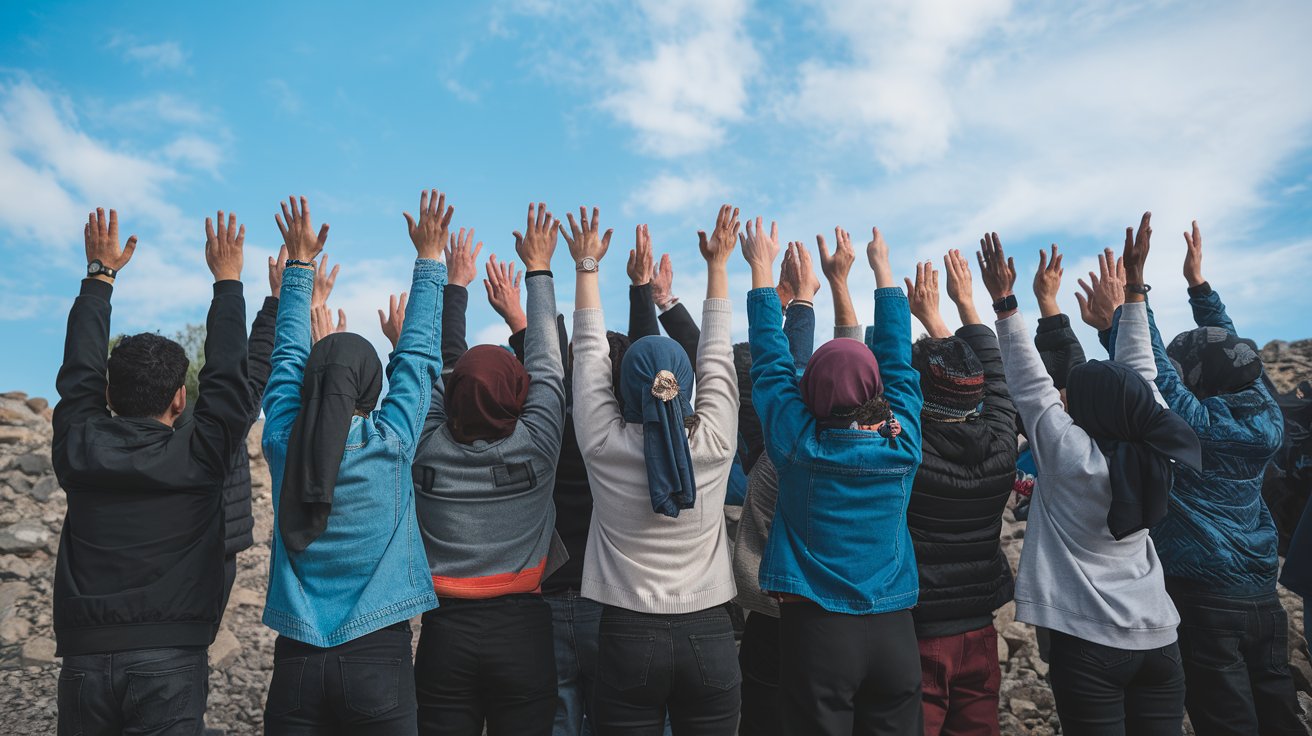
This catch-all phrase, “utanmaz türklere”, has in fact seeped its way into aspects of Turkish media, politics and social movements.
- Representation in Media: Thus, characters in today’s Turkish media pertain to the “utanmaz türklere” vibe in TV series and movies. These may be characters typically made in stereotypes or ones that will engage the audience to think twice about what counts for non-conformity and cultural identities.
- Political Discourse: The term has also found its way into political rhetoric, where it is used to label opponents or critics of the government. This usage highlights the contentious nature of Turkish politics and the ongoing struggle between progressive and conservative values.
- Social Movements: Progressive stuff like LGBTQ+ rights, women’s rights, etc., people will thus be called “utanmaz türklere” by conservative societies. This shows the bigger conversation taking place within society about morality, identity, and where Turkish culture is heading.
The Clash of Values
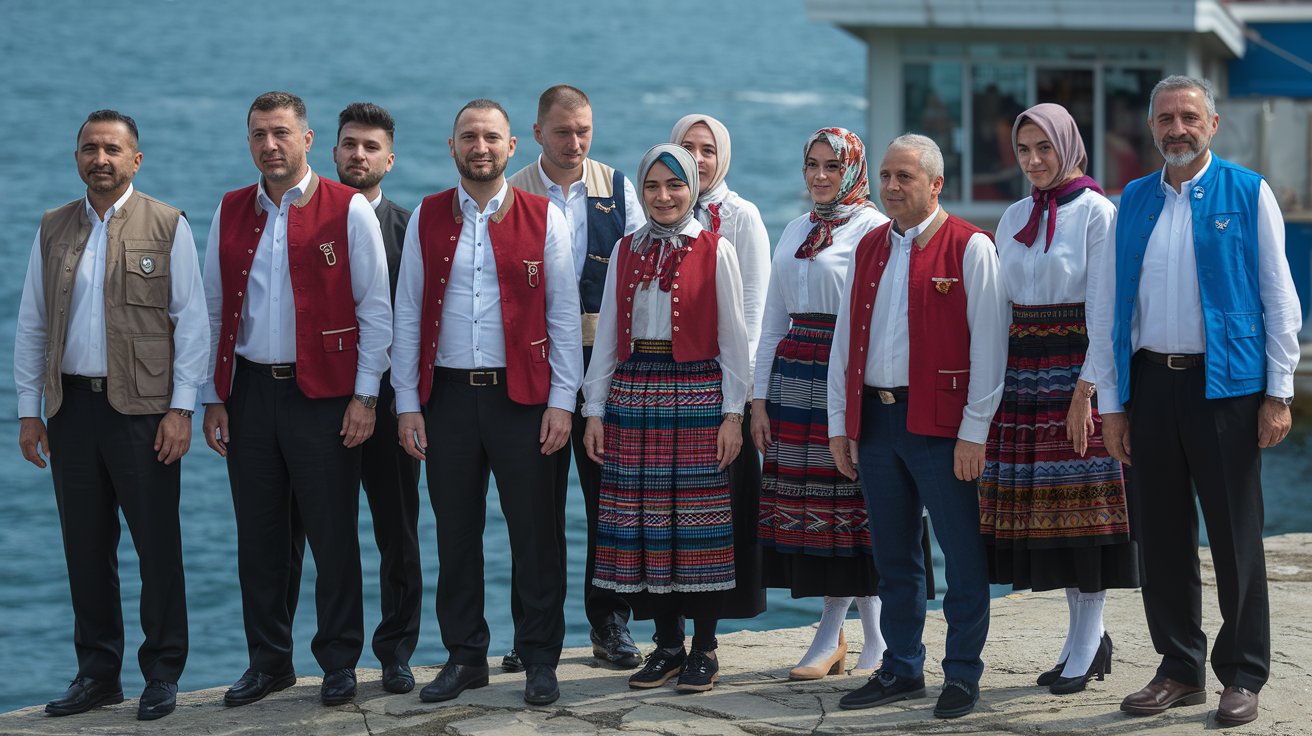
Well, the phrase “utanmaz türklere” really exemplifies the tug-of-war between retrograde and contemporary values in Turkey. The more a country is on the path of modernization, the greater the discussion over cultural and moral standards by the people. This would totally spark some heated controversies and rifts among people, with the progressive changes getting labeled as turning away from traditional Turkish values.
Conclusion
So, in other words, “utanmaz türklere” is a catchy phrase that tries to describe the amorphous nature of Turkish identity and social values. Its historical roots and modern-day implications surface in the tensions between tradition versus modernity, on one hand, and conformity versus rebellion on the other. In that ongoing challenge, insight into what constitutes “utanmaz türklere” will be at the forefront of encouraging communication toward a more accepting societal future. On-going discussions of this term reflect the dynamic and multi-dimensional nature of Turkish culture, underlining the importance that diverse points of view must be understood while cultural heritage is respected.