
 By admin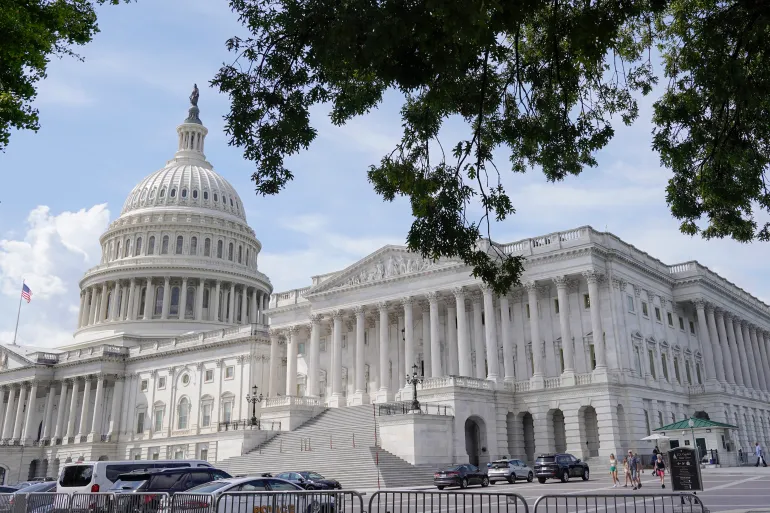
The United States federal government is very dynamic and tends to shift as there are imperative implications politically, socially, and economically. This piece talks about some of the recent news and developments concerning the federal government on key legislative actions, leadership changes, and challenges.
Legislative Action
Temporary Spending Bill Delayed
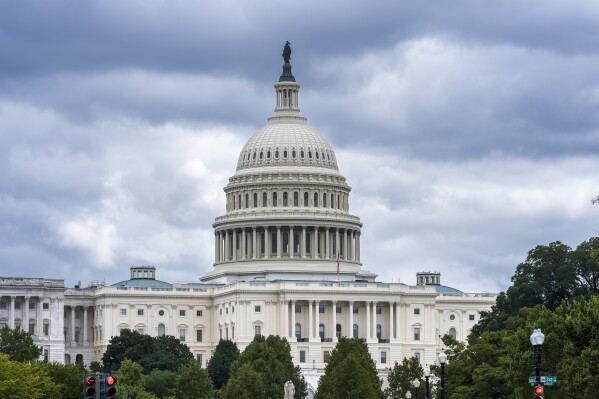
House Speaker Mike Johnson has pushed back voting on a temporary spending bill, which is set to fund all federal agencies until for six months. This would be done ahead of the appropriations and budgeting priorities for the fiscal year that follows. In the meanwhile, many are concerned that if an agreement wouldn’t be reached soon, it could lead to a government shutdown 1.
Short-Term Funding Measures
Congress voted the stopgap spending law that would prevent a partial government shutdown for now. Under this legislation, the federal agencies would be funded till March 2025 to give the lawmakers more time in planning a long-term budget plan for the following fiscal year. It shows continuous efforts by lawmakers to ensure the continuation of government services despite partisan disputes over budget priorities 1.
Leadership Changes
Nomination for FDIC Head
President Joe Biden has stated that he nominated Christy Goldsmith Romero to take over the vacant position that awaits in the Federal Deposit Insurance Corporation, following the resignation of the acting FDIC head, Martin Gruenberg, attributed by some as coming after a period of intense scrutiny, stemming from allegations associated with workplace misconduct. Romero serves as a commissioner at the Commodity Futures Trading Commission, and her background will, no doubt, introduce different dynamics to the FDIC at this time when the sector is undergoing intense financial regulation.
Secret Service Director Resignation Calls
Kimberly Cheatle, Secret Service Director since August 2022, is now under pressure to relinquish the post considering security flaws associated with many incidents at high-profile events. This is based on the fact that some of these vulnerabilities existed before these incidents happened and serves as a basis for underpinning the strengthening of security mechanisms by the said agency.
Military Recruitment Challenges
In the labor market, keen competition has made it hard for the U.S. Navy to achieve targeted recruitments. Although it had set a target of 40,600 sailors by September this year, only about 5,000 shortfalls make the target. This shortfall will cause a problem in terms of sailors that are required to man warships and further hinder the readiness of forces[1]. Other sectors of the military are also suffering because they have to fight onboarding fresh recruits.
Consumer Protection Action
Other initiatives in consumer protection are ongoing as different agencies of the federal government engage in a concerted effort to enable more Americans to opt-out of unwanted communications. These are all aimed at making consumers more effective and therefore move closer to dealing with the rising concerns about privacy and internet practices related to the use of digital communications.
Political Landscape and Future Prospect
Biden’s Reelection Campaign
In an extremely political move, President Joe Biden is now said to be considering stepping off the campaign trail for his re-election with potential Vice President Kamala Harris, who would most likely be his substitute. This would most likely transform the Democratic landscape as the party gears up for the election cycle ahead of schedule.
Current Challenges
Still Ahead As the federal government measures these changes and challenges, budget constraints, military preparedness, and consumer protection will form a core debate that will be mentioned within the corridors of Congress. The ability of the effective partnership between the two arms of the government, Congress and the administration, will determine the challenge that will face the country as problems sort out.
The United States federal government today finds itself in a sea of challenges and changes that will shape its future. Legislative measures that put an end to government shutdowns once and for all and leadership changes in most key agencies are but some examples that speak to the complexity of governing in today’s political climate. We can only be sure about the continuous focus on the same issues as we move forward to understand how effects play out in the domestic policy and foreign policy spheres.