
 By admin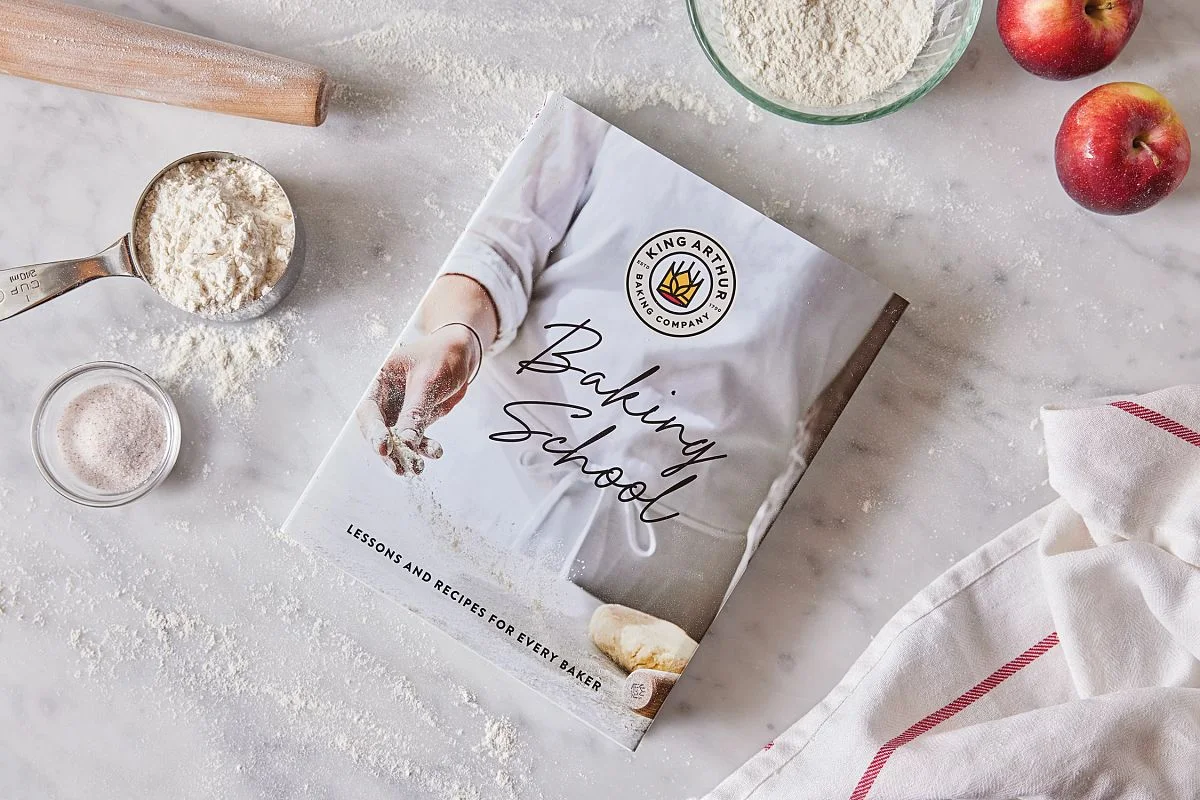
King Arthur Baking Company, established in 1790, is not your average flour miller. The premises have ample cultural heritage surrounding the culture of American baking. This company gained fame by its high-quality flour, along with a dedication towards quality, under which many changes have been met with still maintaining the core values of the company. The following is a humble attempt at tracing historic milestones, innovative practices, and the current situation in King Arthur Baking.
A Historical Overview
Founding Years: 1790-1800
King Arthur Baking began with Henry Wood & Company. It was the first flour company to serve the United States and it was in Boston. America was still in its ‘teething years’ and had but 13 states. There was George Washington as president of the United States. The original flour for American bakers were sourced first from England to serve the growing American demand.
The Birth of King Arthur Flour: 1896
Sand, Taylor & Wood Company introduced a new flour called “King Arthur” in 1896. It was based on the mythical qualities of purity and strength associated with King Arthur himself. It was a big branding shift that would echo for generations to come.
Innovations in Baking: 1933 Onward
Perhaps the most significant change that came about in American baking history was the introduction of the chocolate chip cookie, which Ruth Wakefield introduced in 1933 at the Toll House Inn. The likes of King Arthur flour gave bakers high-quality ingredients that paved the way for these popular recipes.
The Modern Era: Challenges and Growth
2020 Pandemic Response
Home baking experienced a significant boom after the pandemic. Demand for King Arthur Baking increased sixfold within a night as this new behavior of consumers became in full swing. The company was quick enough to adapt through adjustments in supply chains and increasing production levels to fulfill this increased demand 2 5. According to Karen Colberg, CEO of King Arthur, currently is a critical time in which the company should leverage its strength to the best extent possible. Indeed, reputation in sharing recipes and baking tips online for many years maintained the trust and engagement of the client with the company.
Employee Ownership: A Unique Structure
In 2004, the company transitioned to an employee-owned model that has promoted shared responsibility and collective success. This model empowers employees while improving their focus on quality and customer satisfaction.
Baking Education and Community Engagement
The King Arthur Baking School
King Arthur Baking operates an in-demand school that provides a learning space for bakers of all experience levels. The baking school will teach bakers nearly every available technique and build a sense of community among enthusiasts.
Recipe Development and Innovation
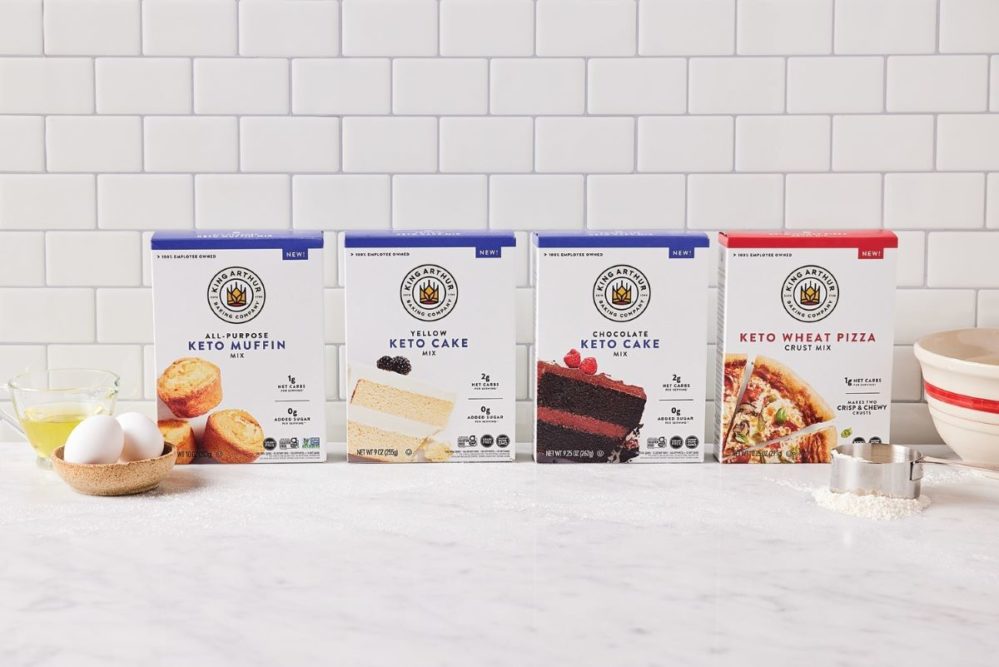
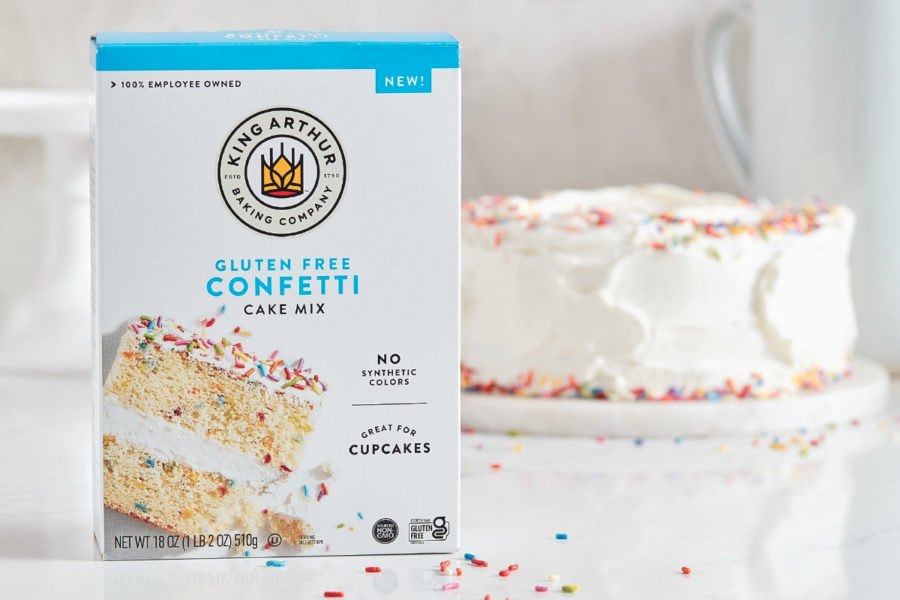
The company’s product offerings are constantly under innovation as it strives to meet more diversified consumer preferences. Some of the newest products are the gluten-free option and convenient bread mix kits, which reflect its commitment to inclusivity in baking.
Conclusion:
A Brighter Future Ahead King Arthur Baking Company embodies resilience and adaptation in growth times. With over two centuries of experience in baking, it continues to motivate bakers all over America through quality products, educational setups, and engagement in the community. While looking forward towards the future, King Arthur remains adherent to its original principles but introduces innovation into the baking industry.