
 By admin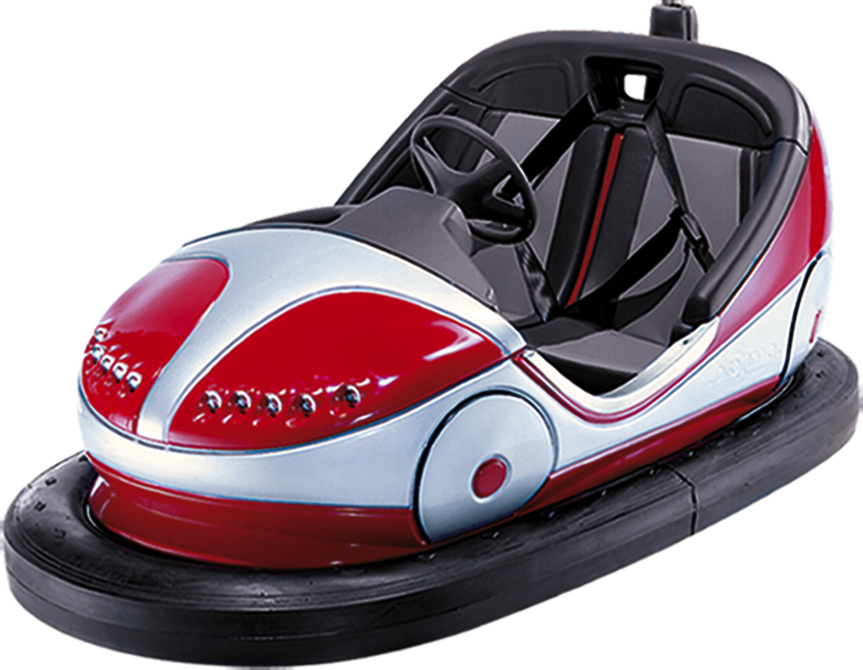
Bumper cars or dodgems as some people call them, have brought some of the most thrilling moments to amusement parks and fairs everywhere. The fun aspect about bumper cars is their tiny size and electric power; riders collide with each other in a very secure Bumper cars, or dodgems as some people call them, have brought some of the most thrilling moments to amusement parks and fairs everywhere nvironment. Continue reading to understand its history, design, safety features, and cultural significance.
Early History of Bumper Cars
Creation and Evolution
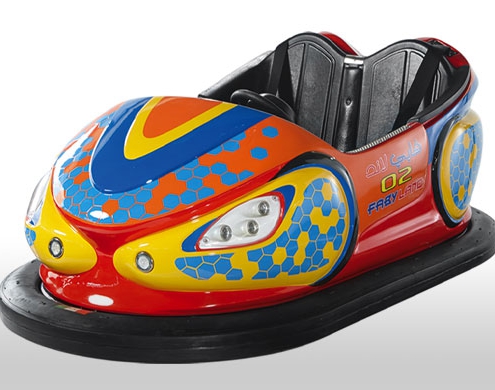
At first, these rides were low-cost in designs but quickly acquired the characteristics and constituent parts of more complex features alongside safety measures with their ascendancy in popularity during the late 1920s up to 1950s.
Evolutions of Designs
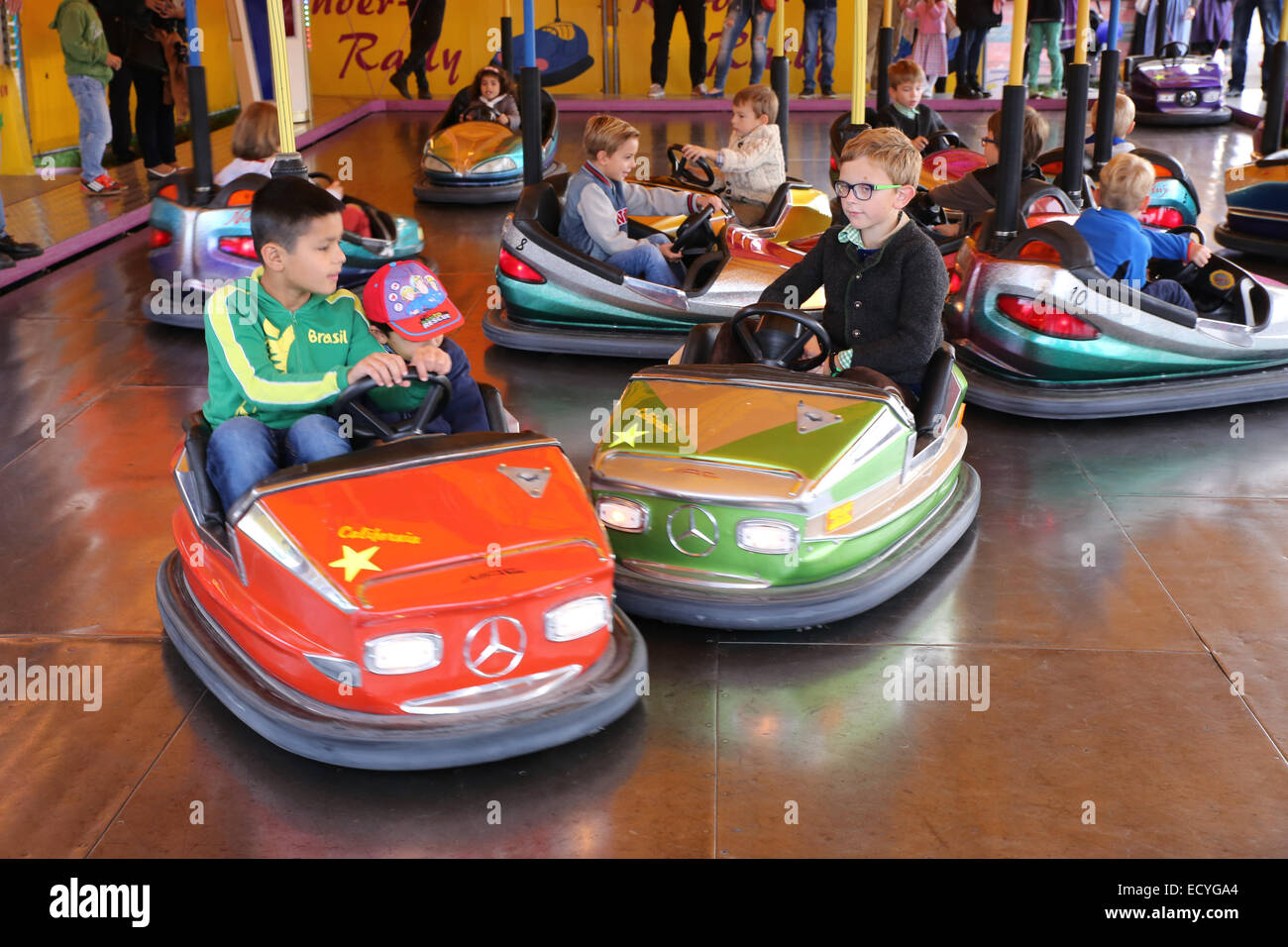
Bumper car designs have dramatically changed over the years. The early models were made from wood and did not come with modern safety features. By the middle of the 20th century, manufacturers began using fiberglass for the car body; this made possible lighter and more durable designs. This innovation was in part inspired by the success of Chevrolet Corvette bodies.
Design Features
Structure and Mechanics
Bumper cars have a metal floor that, in this case, serves as the track, to which graphite powder sprinkled on has lowered the friction of the flow. Each bumper car is surrounded by rubber so that accidents would be cushioned. The controls normally consist of an accelerator and a steering wheel where, with those, drivers can navigate the ride and also playfully ram other riders.
Power Source
Traditionally, bumper cars have been operated through electricity drawn from conductive floors or ceilings. Recent developments into battery-operated bumper cars, which are nowadays found on cruise ships such as in the Quantum-class fleet of cruise ships, have been introduced. Such innovations do not pose problems on portability but take more hours in charging.

Safety Features
Design Features Safety
Safety is greatly taken into consideration when designing bumper cars. Each car has padded steering wheels for safety when hits come. The drivers, at times, introduce rules to minimize some the harmful activities like head-on collision. Nevertheless, with all these precautions, the riders, especially children, break the rules for a more exciting experience.
Regulation and Maintenance
Safety in bumper car rides requires regular maintenance. Tire pressure must be checked; over-inflated tires will cause sharp shock while colliding. For instance, safety checks are carried out to ensure that all electrical components are in good working condition and that the ride meets the established standards of safety.
Cultural Significance
A Global Phenomenon
Bumper cars are not popular only in one region but rather have become a global phenomenon with many amusement parks worldwide having them. Ranging from small local fairs to large theme parks like Six Flags Great America, these rides attract individuals of every age group who want to have fun and make memories.
Community and Social Interaction
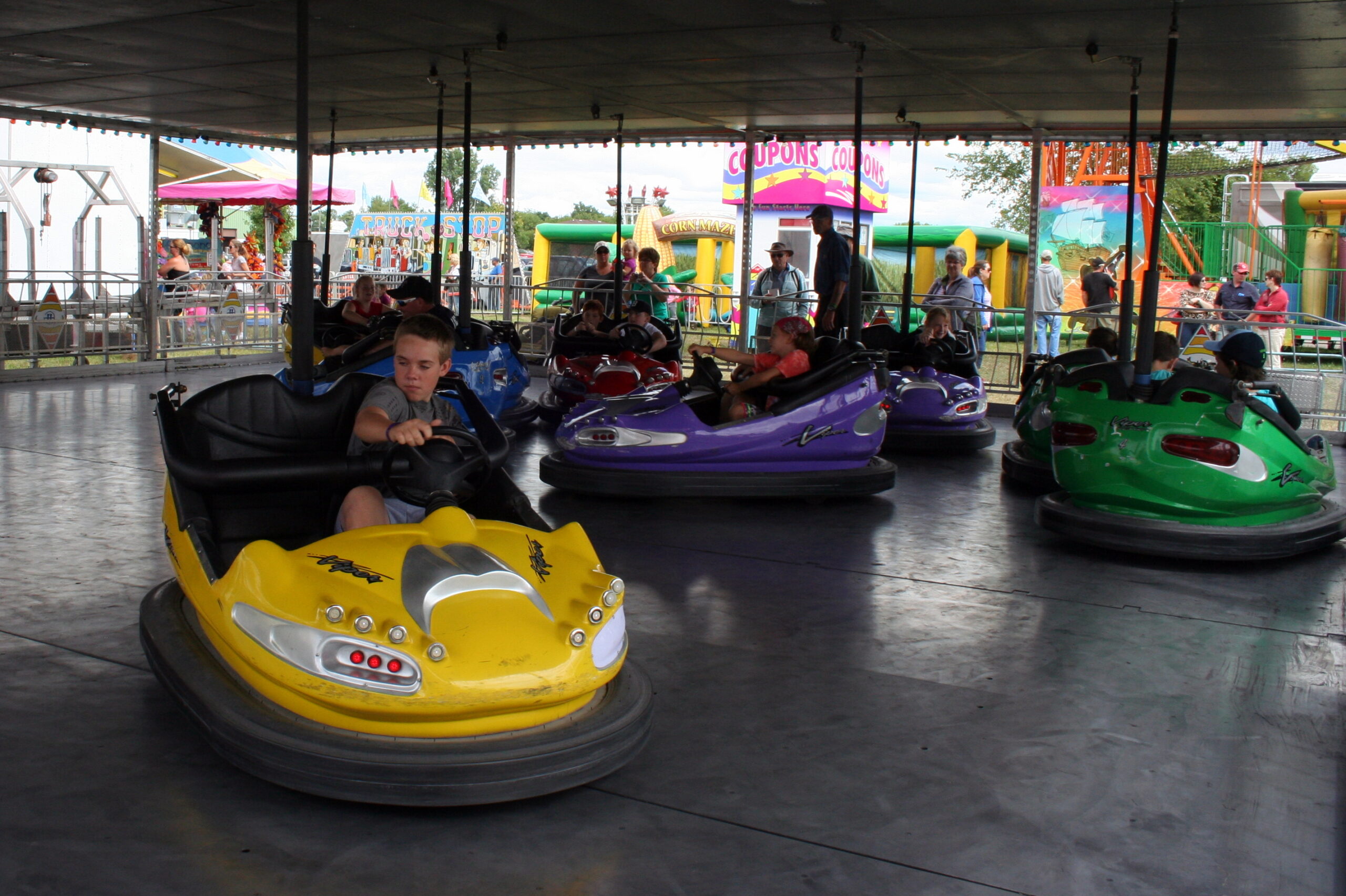
Bumper cars however, become the great social activities where friends and family spend their time together while going through light competition. The experience of bumping into each other fosters camaraderie between the riders while the end often ends with laughter and memories that lasts even longer after the ride.
Conclusion
Bumper cars were invented nearly a century ago, but these tiny cars that crash into each other without actually hitting have truly experienced much progress over time. The original concept of bumper cars-that combined fun, safety measures, and cultural significance-incidentally, remains popularly cherished for centuries by amusement parks all across the globe. From being a mad adrenaline junkie to just having fun times with friends and family, bumper cars provide a thrilling experience that never goes out of style.