
 By admin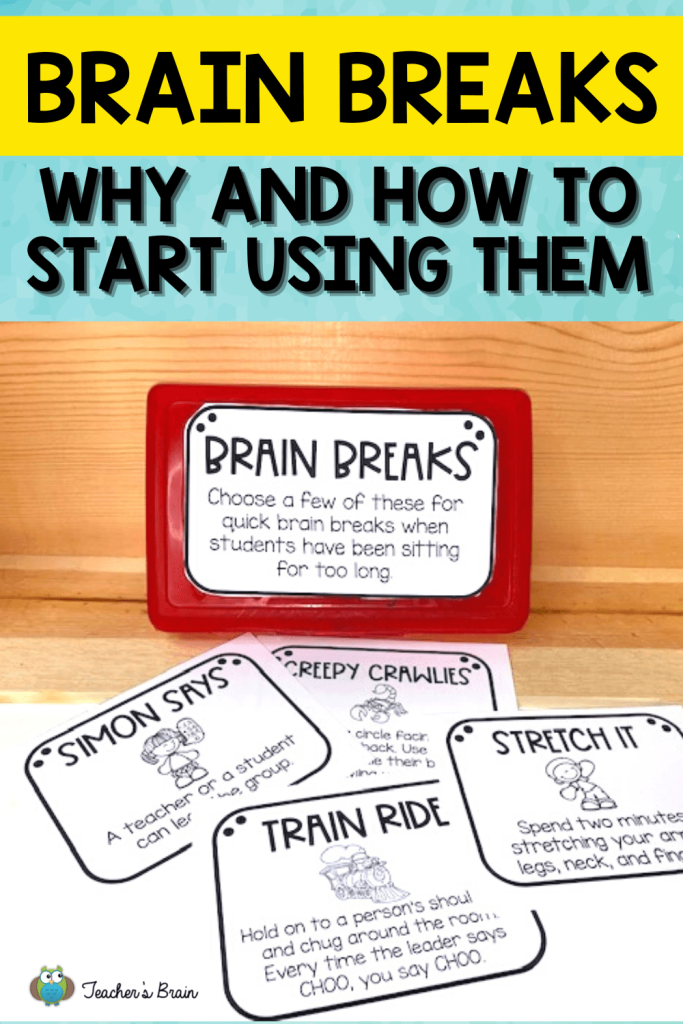
In our hectic lifestyles, students often lose the ability to concentrate and maintain productivity. There is one effective technique that has grown in popularity in school and academic environments: brain breaks Short interruptions during learning activities boost cognitive functioning, improve concentration, and reduce stress. The text will explain what brain breaks are, outline the advantages of such breaks, introduce some great ideas for engaging in good brain break activities, and provide ideas for how to include brain breaks in one’s everyday schedules.
Brain Breaks: Unlocking How to Improve Concentration and Learning
Also read : Breakfast Near Me
What Are Brain Breaks?
Brain breaks refer to short time-outs by a person in which a person diverts from the major duties that he/she is supposed to perform into physical or mental stimulation activity that helps in reviving one’s mind. The amount of time to take on a brain break can take anywhere from a few seconds to several minutes; its purpose is to help to reset thinking processes so a person might come back to work more concentrated and productive.
The Science Behind Brain Breaks
The human brain simply cannot focus for a long time, and when some work is performed for too long, cognitive fatigue sets in, causing a decline in efficiency and creativity. A brain break enables a way out of focused thinking, where we concentrate on specific tasks, to diffuse thinking, in which our minds wander and create new connections. This transition is very crucial for effective learning and retention of information.
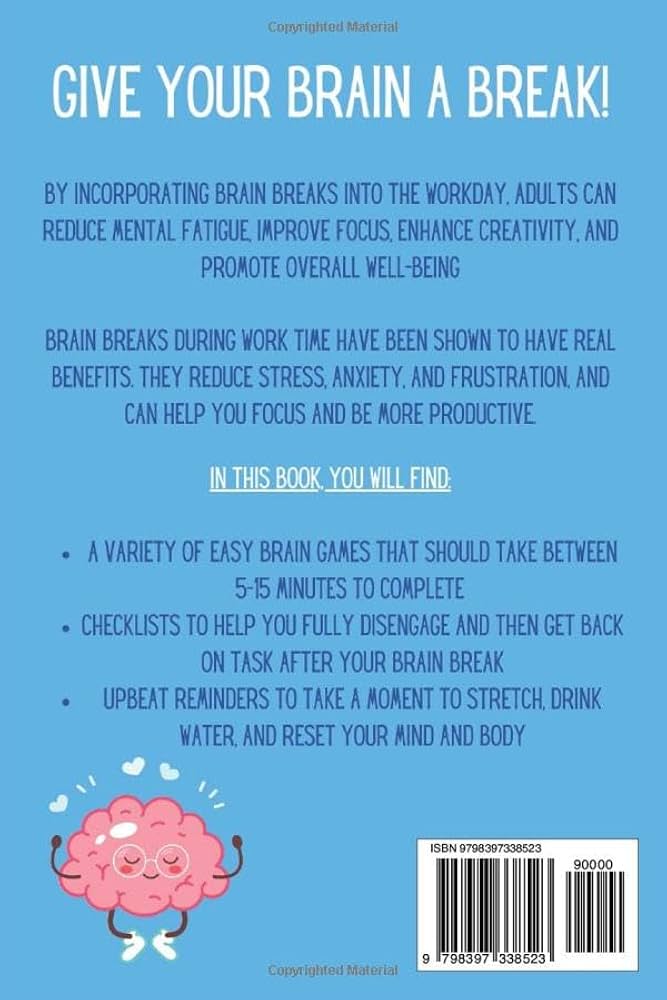
Advantages of Brain Breaks
Incorporation of brain breaks into a study schedule has several advantages:
1. Improved Concentration and Focus
Scheduled brain breaks allow for refreshment by concentrating more forcefully on the assigned task and maintaining attention to a better standard when the break has passed.
2. Stress Release
The breaks stimulate the brain to be very good stress relievers. In these breaks, low-level physical exercise or a relaxation technique leaves students with less tension and anxiety levels, thus allowing them to work on their tasks with a refreshing mind.
3. Creativity Stimulated
The breaks in strict engagement may be creatively stimulating because the brain could start producing ideas and solutions through relaxation that would have otherwise failed to appear with high concentration.
4. Better Retention in Learning
With these short breaks, the human brain gets to process as well as consolidate what has been learned. This will help in reinforcing the lesson, and memory will do so much better to maintain that information in return.
5. Higher Intensity of Physical Activity*.
Examples of Brain Break Activities.
Brain breaks can take on endless forms, but mainly due to the target group in terms of age and setting. These can be pretty creative exercises applied during study sessions, like some of the following ones
1. Active Movement*
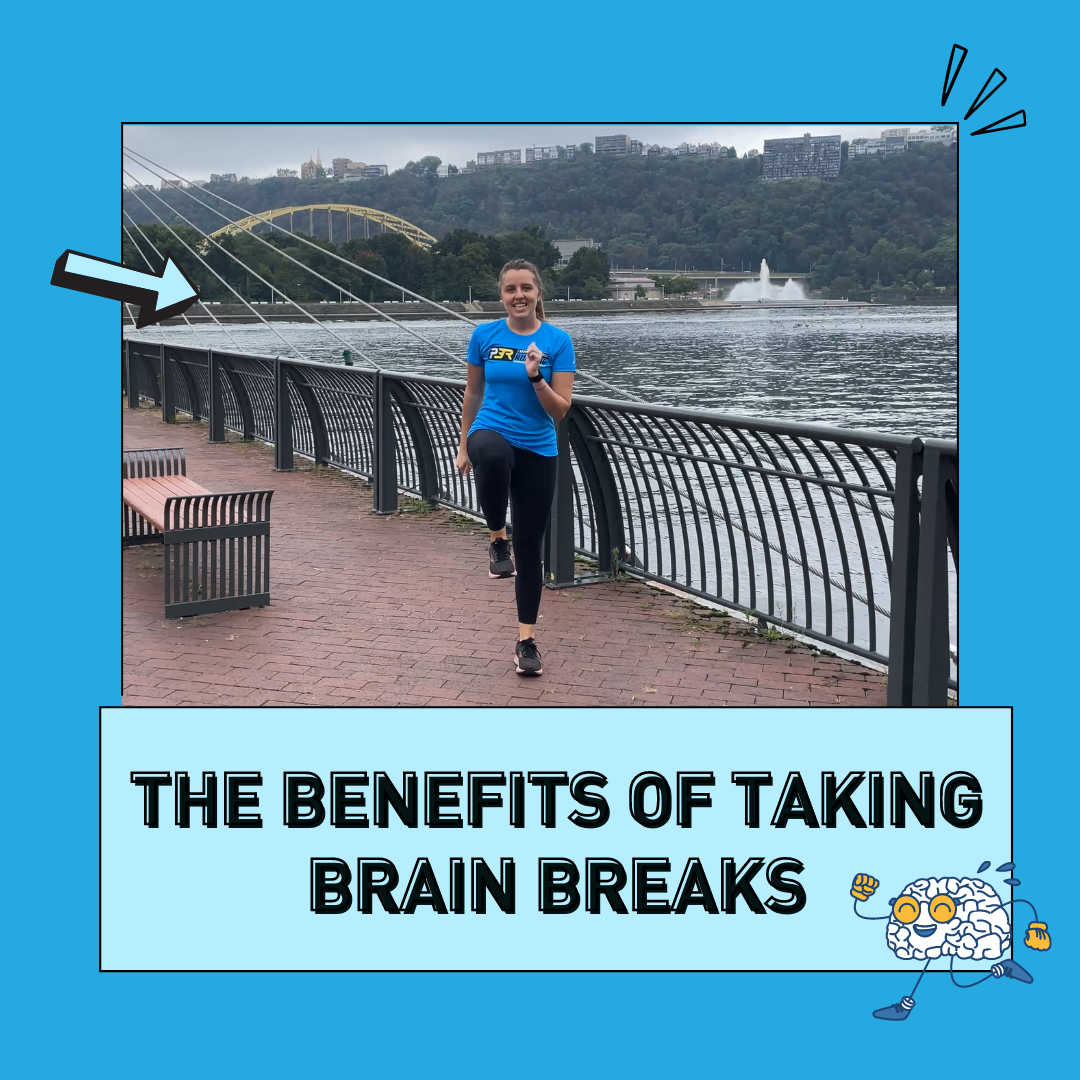
- Jumping Jacks : One will jump their jack very briskly and be elevated high in the pulse level that will energize a number of students.
- Stretching : Basic stretching gives relief to tense up or contract muscles in most directions and increases the rate and efficiency of circulation.
- Dance Break : Play your favorite song and let them dance around for a couple of minutes.
2. Mindfulness Exercises
- Deep Breathing : Teach the kids deep breathing to relax.
- Guided Imagery : Guide the kids through a short visualization of a calm scene.
3. Fun Challenges
- Wink-Snap Game : It is a game of coordination where the person winks and then the other snaps fingers.
- Pencil Jump : Place a pencil on the floor and jump around it in all directions.
4. Creative Activities*
- Doodling : Give the students some free time to doodle or draw for a few minutes.
- Quick Craft : Do simple crafts which don’t require much materials but can be creative to do.
5. Social Interaction*
- Group Discussions : Do some light-hearted group conversations during breaks.
- Team Games : Play fast team games. Examples include “Human Wave” or “Buzz.”
How to Have a Break in the School Day Routine
For breaks to be implemented properly, these can be used:
1. Regular Scheduled Breaks
Establish time to have 25-30 minutes of concentrated work in between 5-10 minute breaks. It would keep the production flowing by maintaining a flow of rest time.
This is going to be about 10–15 minutes for students at this age, and perhaps more like 20–30 minutes for those at this age; make sure you plan in for those lengths of time in planning brain breaks.
2. Make Breaks Enjoyable
Make certain that activities during the brain break are enjoyable and that they feel like breaks instead of work. That will create interest in participating and that their brain breaks can really work to help them think.
3. Encourage Variety
Brain break activities include a range of physical, mental, and creative experiences to ensure some novelty and fun in those moments.

conclusion
Brain breaks are one of the most important tools to enhance focus, reduce stress, and improve general outcomes in learning. With regular pauses in study time, students can recharge, boost creativity, and retain information better. Whether a physical movement, mindfulness, or fun challenge, the benefits of brain breaks are self-evident, hence making them a great addition to any educational setting or personal study plan. Start using brain breaks today and unlock your full potential!