
 By admin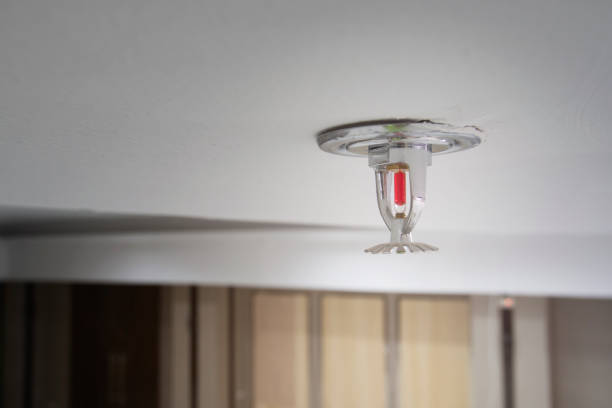
In today’s fast-paced, highly-developed world, buildings are becoming more complex, multifunctional, and densely populated. These advancements, while beneficial, also introduce an increased risk of fire hazards, making fire protection a critical concern for architects, property owners, and tenants alike. Among the most effective means of protecting modern buildings from the devastating effects of fires is the implementation of an automatic fire suppression system. An automatic fire suppression system is designed to detect and control fires automatically, significantly improving safety and reducing the risk of extensive damage.
Automatic fire suppression is a compelling and necessary technology in today’s buildings, proving that it is the primary means of safely protecting its inhabitants, property, and finances. Here are reasons why these fire systems are a must have in modern buildings.
1. Early Detection and Rapid Response
Automatic fire suppression systems are among the first systems to recognize the(ir) advantages, one of which is the detection of fires at the earliest possible stage. Coherent buildings are loaded with various materials such as very flammable furniture and electronics, and industrial equipment. Any step taken earlier to arrest the fire’s development can make a huge difference. The fire spreading can be greatly diminished if there is a fast response to its detection.
Advanced fire protection systems can achieve that with the help of decision-making devices like intelligent sensors. They can survey temperature, humidity, smoke, and other environmental factors in real-time to determine the likelihood of a fire occurring. The advanced sensor will initiate the extinguishing process as soon as the system determines that there is a fire, mostly in a very short time. This kind of rapid reaction is often the deciding factor of whether a fire will get out of control, thereby avoiding the huge damage not only to the building itself but also to the personal belongings and equipment inside.
2. Increased Protection for Occupants
Automatic fire protection systems play a crucial role in ensuring the safety of occupants in all kinds of fire emergencies situations where protecting life is the main goal. Modern buildings, especially the ones with more heights, hotels, hospitals, and residential complexes usually have a lot of people living in them. Evacuating many people from one single room during fire threats may not be easy, and not all the people might be able to manage it in a short time.
Having an automatic fire suppression system is even more crucial in the case of the premises with risky areas such as restaurants’ kitchens, data centers’ server rooms, or industrial sites with machinery and chemicals. The system in these areas targets the fire more effectively, limiting damage to the rest of the building, which helps the overall process to be more beneficial and efficient.
3. Minimizing Property Damage
High-rise buildings generally house valuable items such as office and manufacturing equipment as well as stock and personal items. With an extreme fire incident, it is common for a property to sustain extensive damages, thus leading to high repair and insurance costs, and possibly even the bankruptcy of the affected business. An automatic fire suppression system helps a great deal in both preventing and minimizing damage by firstly targeting the problem and, in turn, leaving small space behind.
These systems, and the water-based medium such as sprinklers which are the most common in residential and commercial settings, maintain the same dichotomy for the other systems that can either be eco-friendly or water-inhibiting. The double directive approach of fire disturbances and excessing moisture and chemicals avoids collateral damage to the buildings and other assets. Therefore, the owners of the building can evade high repair costs and the associated downtime, which could jeopardize their business.
4. Compliance with Safety Regulations
With the increasing size and sophistication of buildings, their corresponding safety regulations have also shown an upward trajectory. Fire safety codes and regulations have to be updated regularly to ensure that the buildings are dealing with current threats properly, especially concerning high-rise and commercial ones. To be compliant automatically with the local, federal, and even international fire safety standards, automatic fire suppression systems are depressed.
Moreover, the adherence to fire safety standards not only demonstrates the responsibility a building owner assumes for the health of his or her tenants and staff, but it also increases the value of the property. The value of the building is further added by the fact that clean and safe fire safety standards bring satisfaction to tenants and cut the risk for building owners, therefore, they become more appealing to buyers or tenants that consider safety and security first.
5. Cost Savings Over Time
The installation of fire suppression machinery is indeed a hefty cost at the beginning, but in the long run, it is a choice that pays a lot of dividends. A large part of eventual savings comes from the extinguishment of devastating fires in the beginning, lessening damage, and thus reducing repair costs and recovery time. Additionally, modern buildings with technological devices may gain a better insurance policy for being less risky to cover.
In addition, the effective and reliable functioning of automatic fire suppression systems contributes to the absence of frequent maintenance or human expense, which is the primary reason for underplaying the cost of operations. The systems have a minimal maintenance requirement, needing only periodic inspections and the occasional servicing which is less of a burden than that attached to manual fire prevention and suppression systems.
Conclusion
Today’s buildings are dependent on fire suppression systems, particularly the automatic type, which serve as excellent safety measures for both the residents and property. Through their features such as early detection, rapid responses, damage control, and compliance with safety regulations, these systems become a key element in fire safety. The capability of prompt fire confinement not only leads to life-saving measures but also reduces the financial implications of fire incidents. With the increase in the complexity and risks posed by the modern buildings, the question of whether existing fire suppression systems still remain a luxury is no longer an option, it is simply a must. Whether in residential, commercial, or industrial places, these systems guarantee that fire will be efficiently and quickly handled.