
 By admin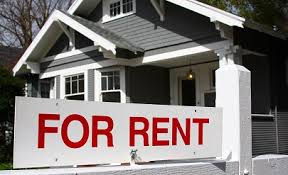
For Rent By Owner Renting property directly from the owner, often referred to as “rent by owner,” is an increasingly popular trend for both landlords and tenants. This approach eliminates the involvement of real estate agents, providing direct communication and potential cost savings for both parties. This guide will walk you through the benefits, challenges, and best practices for renting by owner.

What Does “Rent by Owner” Mean?
“Rent by owner” refers to the process where landlords independently rent out their properties without using real estate agents or property management companies. Tenants deal directly with the property owner, which can result in more personalized agreements and potentially lower costs.
Advantages of Renting Directly from an Owner
For Tenants:
- Lower Rent and Fees:
Owners who manage their own properties may not charge administrative or agent fees, which can reduce overall rental costs. - Direct Communication:
Tenants can address issues or negotiate lease terms directly with the landlord, often leading to faster resolutions. - Flexibility:
Owners are sometimes more flexible with lease terms, deposits, or special requests compared to property management companies.
For Landlords:
- Cost Savings:
Landlords save money by not paying commission fees to real estate agents or property managers. - Personalized Management:
Managing the property directly allows owners to establish a direct relationship with tenants and oversee the maintenance of their property. - Better Tenant Screening:
Owners can personally vet prospective tenants to ensure they align with their expectations.
Challenges of Renting by Owner
For Tenants:
- Lack of Professionalism:
Some owners may lack the experience to handle rental agreements or address issues efficiently. - Limited Options:
Finding “rent by owner” properties can be harder than finding those managed by agencies.
For Landlords:
- Time-Intensive:
Managing a property, handling repairs, and screening tenants require significant time and effort. - Legal Knowledge Required:
Landlords need to be familiar with local rental laws to avoid potential disputes or penalties.
How to Rent by Owner Successfully
Tips for Tenants:
- Verify Ownership:
Ensure the person renting the property is the legal owner by checking public property records. - Inspect the Property:
Visit the property to ensure it meets your needs and is in good condition. - Request a Lease Agreement:
Always get a written agreement outlining the terms and conditions of the rental to avoid misunderstandings.
Tips for Landlords:
- Advertise Effectively:
Use online platforms, social media, or local community boards to reach potential tenants. - Screen Tenants Thoroughly:
Check references, credit scores, and employment to ensure reliable tenants. - Understand Local Laws:
Stay informed about rental laws, including security deposit limits, tenant rights, and eviction procedures.
Popular Platforms for Rent by Owner Listings
Several websites cater to “rent by owner” properties, making it easier for landlords and tenants to connect:
- Craigslist: A free platform for posting local property ads.
- Zillow: Offers a “For Rent by Owner” feature for enhanced visibility.
- Facebook Marketplace: A social platform for reaching a local audience.
- Apartments.com: Includes listings from private landlords.
Conclusion
Renting by owner offers a unique opportunity for both tenants and landlords to save money and maintain control over their rental agreements. While it comes with its set of challenges, proper planning, clear communication, and an understanding of rental laws can make this arrangement highly rewarding. Whether you’re a tenant looking for a personalized experience or a landlord aiming to maximize your rental income, renting by owner is an option worth considering.