
 By admin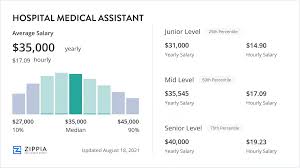
Medical assistants play a vital role in the healthcare system, assisting doctors, nurses, and other healthcare professionals in delivering quality patient care. If you’re considering a career in this field, understanding the salary expectations is crucial. This article provides an in-depth look at the medical assistant salary, factors influencing pay, and career growth opportunities.
1. What Is a Medical Assistant?
Medical assistants perform a combination of administrative and clinical tasks in healthcare settings like hospitals, clinics, and private practices. Their duties range from scheduling appointments and managing patient records to taking vital signs and assisting with medical procedures.
2. Average Medical Assistant Salary in the U.S.
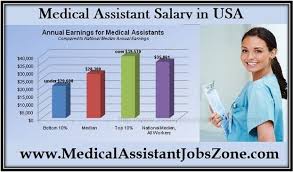
The average salary for a medical assistant varies based on location, experience, and certification. According to recent data:
- National Average: Medical assistants earn an average of $37,000 to $42,000 annually.
- Hourly Wage: The hourly rate typically falls between $15 and $20.
3. Factors Influencing Medical Assistant Salaries
Several factors can impact how much a medical assistant earns:
- Geographic Location: Salaries are often higher in urban areas or regions with a high cost of living. States like California, New York, and Massachusetts typically pay above the national average.
- Experience Level: Entry-level medical assistants earn less compared to those with 5+ years of experience.
- Certification: Certified Medical Assistants (CMA) or Registered Medical Assistants (RMA) usually command higher salaries than their non-certified counterparts.
- Workplace Setting: Salaries can vary by employer type. For example, hospitals and specialty clinics often offer higher pay than smaller private practices.
4. Salary Comparison by State
Here’s a quick comparison of average annual medical assistant salaries in select states:
- California: $45,000 – $50,000
- Texas: $35,000 – $40,000
- Florida: $33,000 – $38,000
- New York: $42,000 – $48,000
5. Opportunities for Career Advancement
Medical assistants can increase their earning potential by pursuing advanced certifications or transitioning to related roles in healthcare:
- Specialty Certifications: Specializing in areas like phlebotomy, EKG technology, or administrative management can lead to higher pay.
- Further Education: Earning a degree in nursing or healthcare administration can open doors to higher-paying positions.
6. Benefits Beyond Salary
In addition to a competitive salary, medical assistants often receive benefits such as:
- Health insurance
- Paid time off (PTO)
- Retirement plans (e.g., 401(k))
- Professional development opportunities
7. Is Becoming a Medical Assistant Worth It?
Becoming a medical assistant is an excellent option for those looking to enter the healthcare field quickly. With competitive salaries, job stability, and room for growth, this career offers both financial and professional rewards.
Conclusion
The salary of a medical assistant reflects the importance and demand for this role in the healthcare system. While the pay varies based on several factors, pursuing certification, gaining experience, and choosing the right location can significantly boost earnings. For those passionate about helping others and seeking a rewarding career, becoming a medical assistant is a promising path.