
 By admin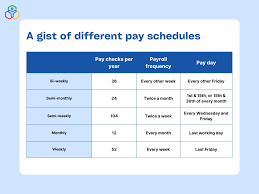
Introduction
Semi Monthly when it comes to managing finances or payroll, terms like semi-monthly, bi-weekly, and monthly often create confusion. Among these stands out as a specific schedule used for payments, budgeting, and billing. But what does semi-monthly mean, and how does it compare to other pay schedules? Let’s dive into its definition, usage, benefits, and differences.
What Does Semi-Monthly Mean?
Refers to something that occurs twice a month, typically on specific fixed dates, such as the 1st and 15th or the 15th and 30th of the month. Unlike bi-weekly, where payments are scheduled every two weeks schedules are always based on the calendar month.
Common Uses of Semi-Monthly
1. Payroll Schedules
Many businesses adopt a payroll schedule to pay employees twice a month. Employees might receive their salaries on the 15th and the last day of the month.
2. Loan and Mortgage Payments
Some lenders offer loan repayment plans, allowing borrowers to pay smaller, more frequent installments, reducing interest over time.
3. Utility Bills or Subscriptions
In certain cases, services or utility providers might charge customers on a basis, providing predictable payment dates.
Semi-Monthly vs. Bi-Weekly: Key Differences
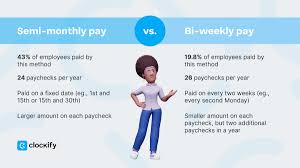
It’s easy to confuse with bi-weekly schedules, but there are key distinctions:
| Aspect | Semi-Monthly | Bi-Weekly |
|---|---|---|
| Frequency | Twice a month (e.g., 1st, 15th) | Every two weeks |
| Number of Payments | 24 payments per year | 26 payments per year |
| Pay Dates | Fixed calendar dates | Varies based on the weeks |
| Consistency | Matches the calendar months | May include extra pay periods |
Benefits of a Schedule
1. Consistency in Budgeting
With fixed pay dates each month, employees can plan their expenses and savings more effectively.
2. Easier for Employers
For businesses, semi-monthly payroll reduces administrative complexities compared to weekly schedules.
3. Better Cash Flow Management
Both businesses and individuals can benefit from regular, smaller payments instead of larger lump sums.
Challenges of Scheduling
While its advantages, there are also challenges:
- Complex for Hourly Workers: Calculating wages for hourly employees can be tricky since the pay periods are uneven.
- Longer Gaps Between Paydays: Employees might face longer waiting periods compared to weekly or bi-weekly schedules.
How to Decide is Right for You
- For Employers: Consider your administrative capacity, employee needs, and budget.
- For Employees: Understand your pay schedule to align expenses, such as rent, loans, and bills.
Conclusion
Semi-monthly schedules offer consistency and simplicity, making them popular for payroll, loan payments, and financial planning. While it has a few challenges, understanding the differences between and bi-weekly ensures you’re better prepared to manage your finances or business operations efficiently.